
How Expensive Is Melbourne to Visit?
Melbourne can be an expensive city to visit, but travellers can manage costs with careful planning. Choosing affordable accommodation, using public transport, enjoying local eateries and exploring free attractions can reduce daily expenses. With a suitable budget and smart choices, visitors can enjoy Melbourne's attractions without overspending during their trip.
Melbourne Sphere editors · Editorial team
4 min read

In this article
Melbourne is one of Australia's most popular cities for tourists, offering a combination of beaches, cafés, restaurants, shopping, cultural attractions, sporting events and vibrant neighbourhoods. But before planning a trip, many travellers ask: How expensive is Melbourne to visit?
The answer depends on your travel style, the type of accommodation you choose, how often you eat out and the activities you plan to do. Melbourne can be relatively expensive compared with many international destinations, but visitors can also explore the city on a reasonable budget by choosing affordable accommodation, using public transport and taking advantage of free attractions.
How Much Does a Melbourne Trip Cost?
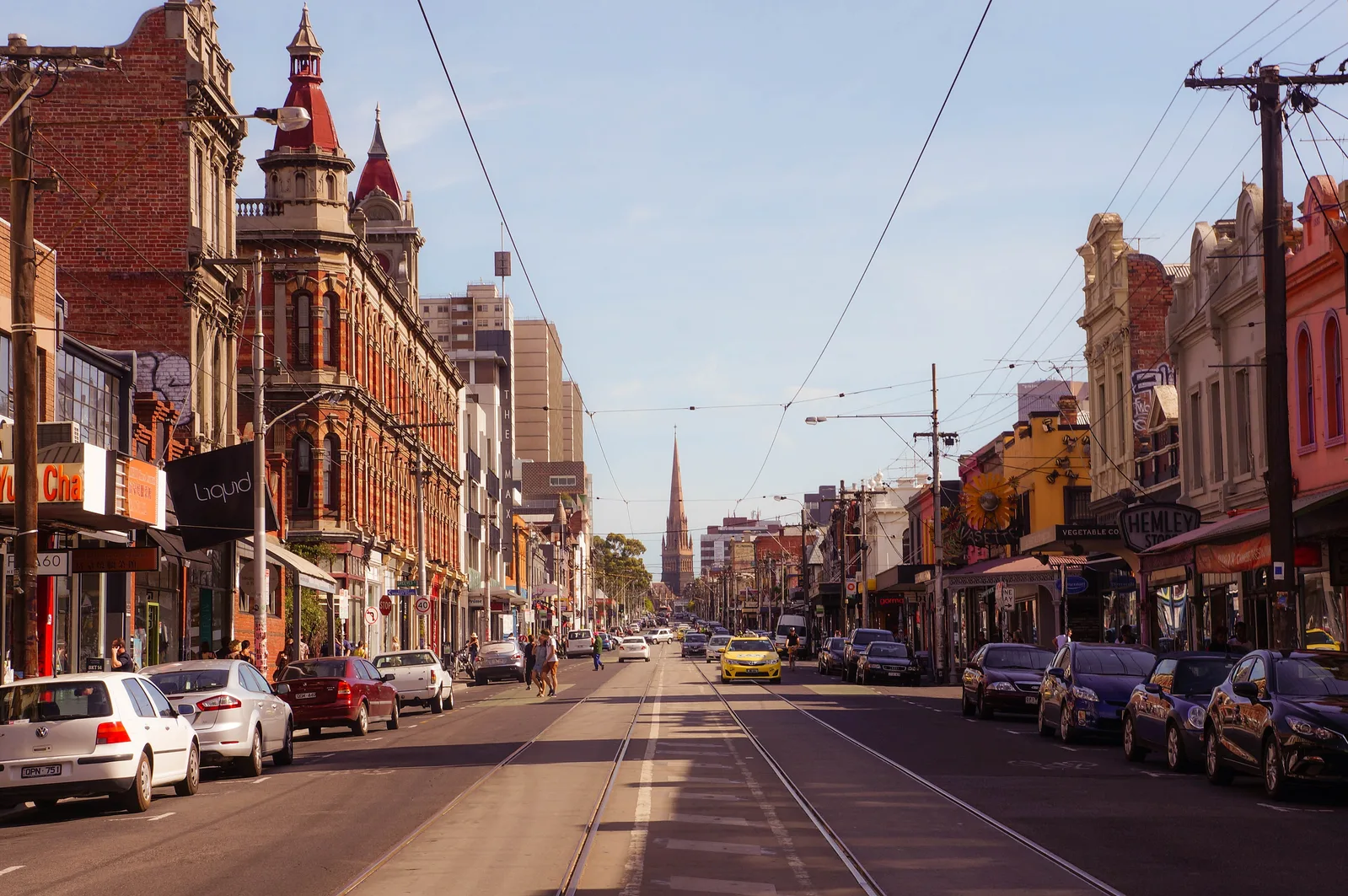
Your daily expenses can vary considerably. Budget travellers can reduce costs by staying in hostels or affordable hotels, preparing some meals themselves and choosing free attractions. Mid-range travellers may spend more on comfortable accommodation, restaurants and paid experiences, while luxury travellers can expect considerably higher costs.
A typical Melbourne travel budget can include:
Accommodation: Your biggest daily expense is often your hotel or other accommodation.
Food: Costs depend on whether you choose cafés, takeaway meals, restaurants or fine dining.
Transport: Melbourne has an extensive public transport network, making it possible to explore without hiring a car.
Attractions: Some attractions are free, while museums, tours, sporting events and special experiences may require tickets.
Shopping and entertainment: These can significantly increase your overall travel budget.
Is Accommodation Expensive in Melbourne?
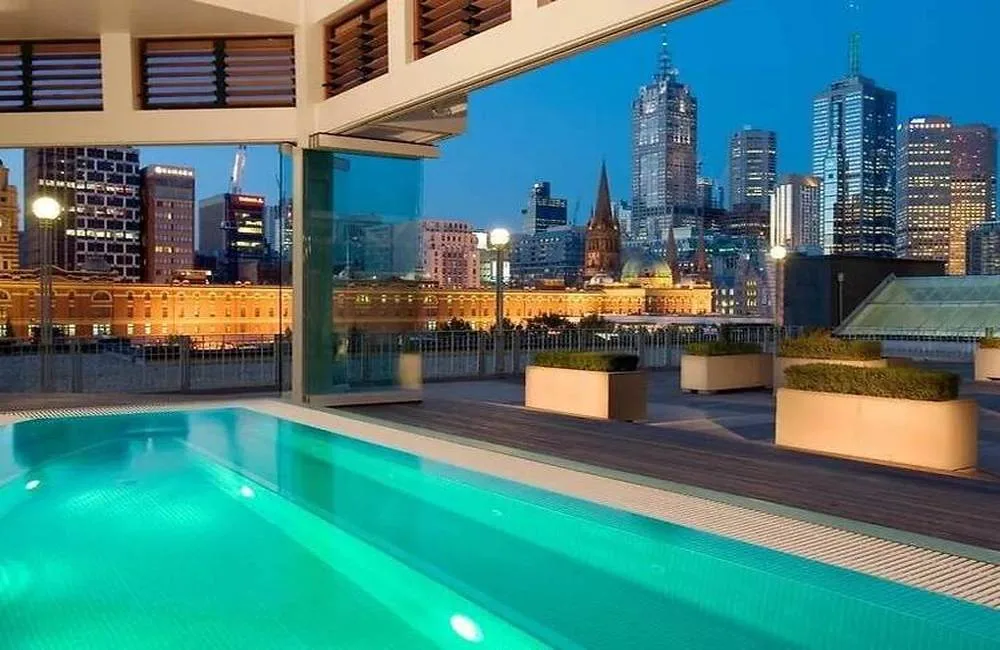
Accommodation prices vary depending on the neighbourhood, season, room type and how far in advance you book.
Hotels in central areas such as Melbourne CBD can be convenient because many attractions, restaurants and transport options are nearby. However, staying slightly outside the city centre may provide additional accommodation choices at different price points.
Travellers visiting during major sporting events, festivals or busy holiday periods should expect accommodation demand to be higher. Booking early can give you more options.
Food Costs in Melbourne

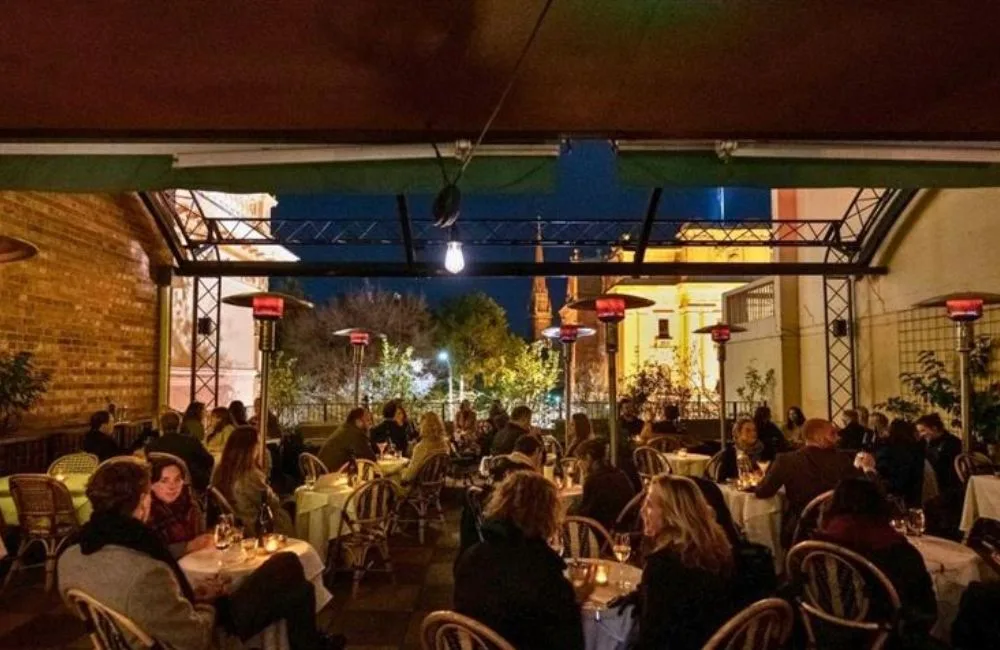
Melbourne is famous for its café culture and diverse food scene. You can find everything from affordable takeaway food and casual cafés to international restaurants and high-end dining.
Budget-conscious travellers can save money by having breakfast from a supermarket or affordable café, choosing takeaway meals and avoiding expensive restaurants for every meal.
Another advantage is Melbourne's multicultural food scene. Visitors can find a wide range of cuisines at different price levels, making it possible to enjoy good food without always choosing premium dining.
Getting Around Melbourne
Transportation is another important part of a Melbourne travel budget. The city has trains, trams and buses that connect the CBD with many suburbs and attractions.
The Free Tram Zone in central Melbourne allows passengers to travel by tram within the designated central zone without paying a fare, which can be useful for tourists exploring the CBD. Outside the Free Tram Zone, travellers need to follow the applicable ticketing and payment requirements.
Using public transport instead of taxis or private rides for every journey can help reduce travel costs.
Free Things to Do in Melbourne
One of the best ways to reduce your Melbourne travel budget is to include free attractions and activities in your itinerary.
You can explore Melbourne's famous laneways, walk along the Yarra River, visit public parks and gardens, enjoy street art and explore many parts of the CBD without paying an entrance fee.
The city also has public spaces and cultural areas where visitors can spend several hours without purchasing an expensive attraction ticket.
How to Save Money in Melbourne
Travelling to Melbourne does not necessarily mean spending a large amount every day. A few simple strategies can make a noticeable difference.
Book Accommodation Early
Compare different accommodation options before your trip and check several neighbourhoods rather than looking only at the CBD.
Use Public Transport
Public transport can be more economical than relying on taxis or rideshare services for every journey.
Mix Paid and Free Activities
Instead of booking paid attractions every day, combine major attractions with free walks, parks, markets and city sightseeing.
Eat Like a Local
Melbourne has plenty of affordable cafés, bakeries, food courts and casual restaurants. Choosing these options occasionally can help control your food budget.
Travel During Less Busy Periods
Accommodation and flights can vary depending on demand. If your schedule is flexible, comparing different travel dates may help you find better prices.
Is Melbourne Expensive Compared With Other Australian Cities?
Melbourne is a major Australian capital city, so visitors should expect urban travel costs for accommodation, food and entertainment. However, the overall cost of a trip depends heavily on individual choices.
Someone staying in a luxury hotel, eating at high-end restaurants and taking private transportation will spend considerably more than a traveller staying in budget accommodation, using public transport and visiting free attractions.
Therefore, instead of asking whether Melbourne is simply "expensive," it is more useful to create a budget based on your accommodation, food, transportation and activity preferences.
More from Melbourne Sphere

City guides
What Events Are Happening in Melbourne in October 2026?
October 2026 is a busy month for events in Melbourne, with major highlights including Melbourne Fringe Festival, Melbourne International Jazz Festival, Melbourne Fashion Week, the Melbourne Marathon Festival, Italian Festa, live concerts, sporting events, exhibitions and markets. With spring underway, visitors can combine these events with Melbourne's cafés, gardens, laneways and outdoor attractions.
By Melbourne Sphere editors · Editorial team

City guides
Is Melbourne Good to Visit in December?
December is a popular time to visit Melbourne because of its summer weather, Christmas celebrations, outdoor activities, markets, beaches and vibrant city atmosphere. It is a good month for exploring Melbourne and enjoying its food, culture and attractions.
By Melbourne Sphere editors · Editorial team

City guides
What Is the Coldest Month in Melbourne?
July is generally the coldest month in Melbourne, with cool temperatures, chilly mornings, occasional rain and shorter days. Visitors should pack warm layers and be prepared for changing weather. Despite the cold, July is a great time to enjoy Melbourne’s cafés, museums, markets, laneways and restaurants while experiencing the city’s winter atmosphere.
By Melbourne Sphere editors · Editorial team

City guides
Where Can I Watch the First Sunrise of the Year in Melbourne?
Watching the first sunrise of the year is a beautiful way to begin January in Melbourne. From the peaceful Royal Botanic Gardens and scenic Albert Park Lake to the iconic St Kilda Pier, Brighton Beach, Williamstown Waterfront, and Point Ormond, there are plenty of locations for enjoying the morning sky and taking memorable photographs. Arrive early, check the sunrise time and weather, and choose a location that matches the kind of view you want—whether it's a city skyline, lake, beach, pier, or
By Melbourne Sphere editors · Editorial team
Comments
No comments yet. Be the first to join the conversation.
Leave a comment
Every comment is read by a moderator before it appears. Your email address is never published; it is used only to contact you about this comment.