
Best Native Plants for Melbourne Gardens: Low-Maintenance Options by Season ?
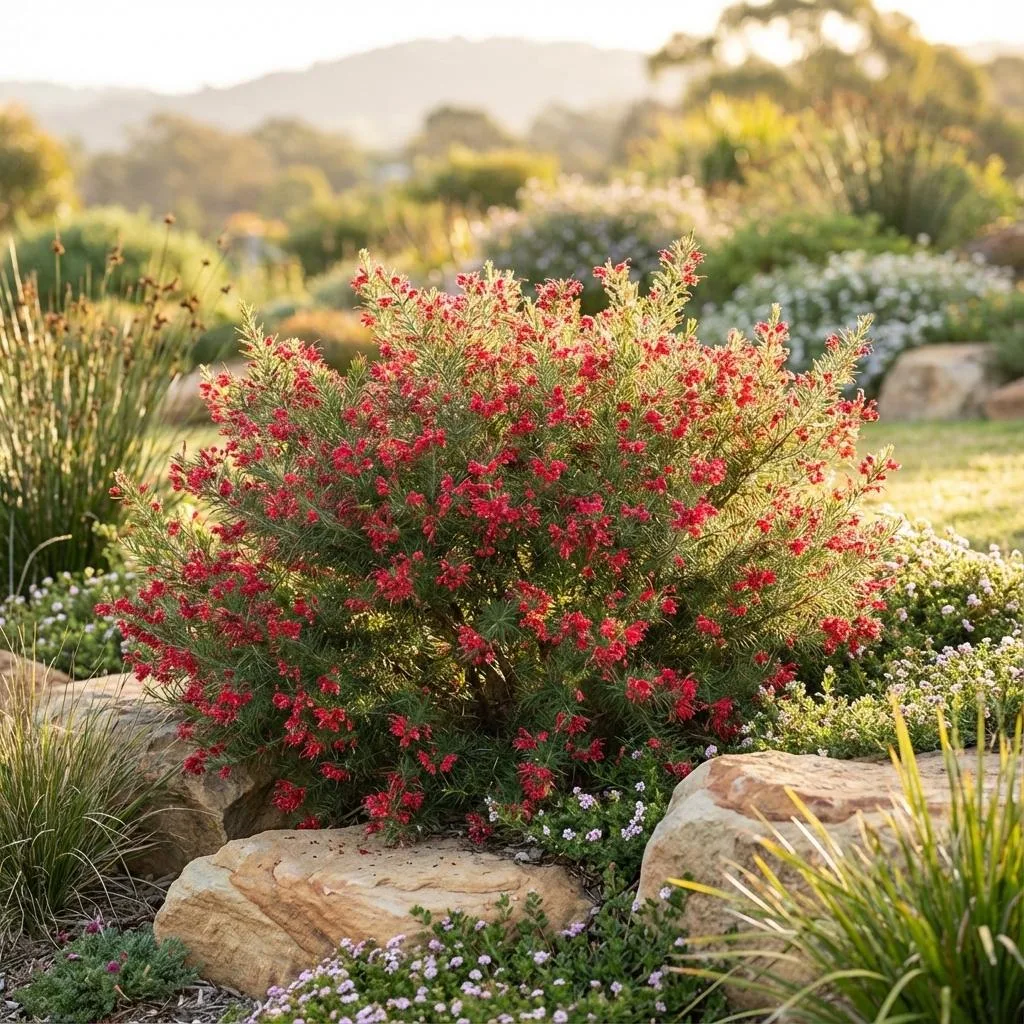
Creating a beautiful garden in Melbourne doesn't have to involve expensive landscaping, constant watering or hours of maintenance every weekend. With the right Australian native plants, you can enjoy colourful flowers, attractive greenery and a garden that supports local wildlife. Start with a few easy-care options such as Lomandra, Grevillea, Correa and Westringia. Consider your available space, sunlight and soil before purchasing plants, and give new plants enough attention while they establ
Melbourne Sphere editors · Editorial team
11 min read

In this article
This article is ideal for MelbourneSphere because it targets homeowners, renters, beginner gardeners and people looking for Australian native plants that can handle Melbourne's changing weather without requiring constant maintenance.
The focus is on beautiful, water-wise native plants that suit Melbourne gardens, balconies and small outdoor spaces, with recommendations for each season.
Introduction: Why Choose Native Plants for a Melbourne Garden?
Melbourne is known for its changing weather. A garden can experience warm, dry summer days, cool winters, strong winds and periods of heavy rain throughout the year.
For homeowners, maintaining an attractive garden in these conditions can sometimes become expensive and time-consuming.
That's one reason Australian native plants are becoming a popular choice for residential gardens. Many are naturally adapted to Australian conditions and can provide attractive flowers, interesting foliage and food for local birds and insects.
Whether you have a spacious backyard in Doncaster, a small courtyard in Richmond or a balcony in Melbourne CBD, there are native plants that can suit your outdoor space.
The best part? Once established in the right location, many native plants need less watering, fertilising and pruning than plants that require more intensive care.
In this guide, we'll explore some of the best native plants for Melbourne gardens, what to grow during each season and how to create a beautiful garden without spending every weekend maintaining it.
1. Best Native Plants for Melbourne Gardens at a Glance
Before choosing plants, consider how much sunlight your garden receives, whether the soil drains properly and how much room each plant will need when fully grown.
Here are some excellent options to consider.
Native Plant | Best Growing Position | Main Benefit |
|---|---|---|
Grevillea | Full sun to part shade, depending on variety | Flowers and attracts birds |
Lomandra | Sun to part shade | Tough, low-maintenance foliage |
Kangaroo Paw | Sunny position | Colourful seasonal flowers |
Correa | Part shade to sun, depending on variety | Autumn and winter flowers |
Bottlebrush | Mostly sunny positions | Colourful flowers and bird habitat |
Westringia | Full sun to part shade | Hedges and attractive foliage |
Dianella | Sun to shade, depending on species | Decorative foliage and berries |
Yellow Buttons | Full sun | Yellow flowers and ground coverage |
Not every Australian native is suitable for every Melbourne garden. Choose varieties according to your local soil, drainage and sunlight conditions.
2. Best Native Plants for Melbourne Gardens in Summer
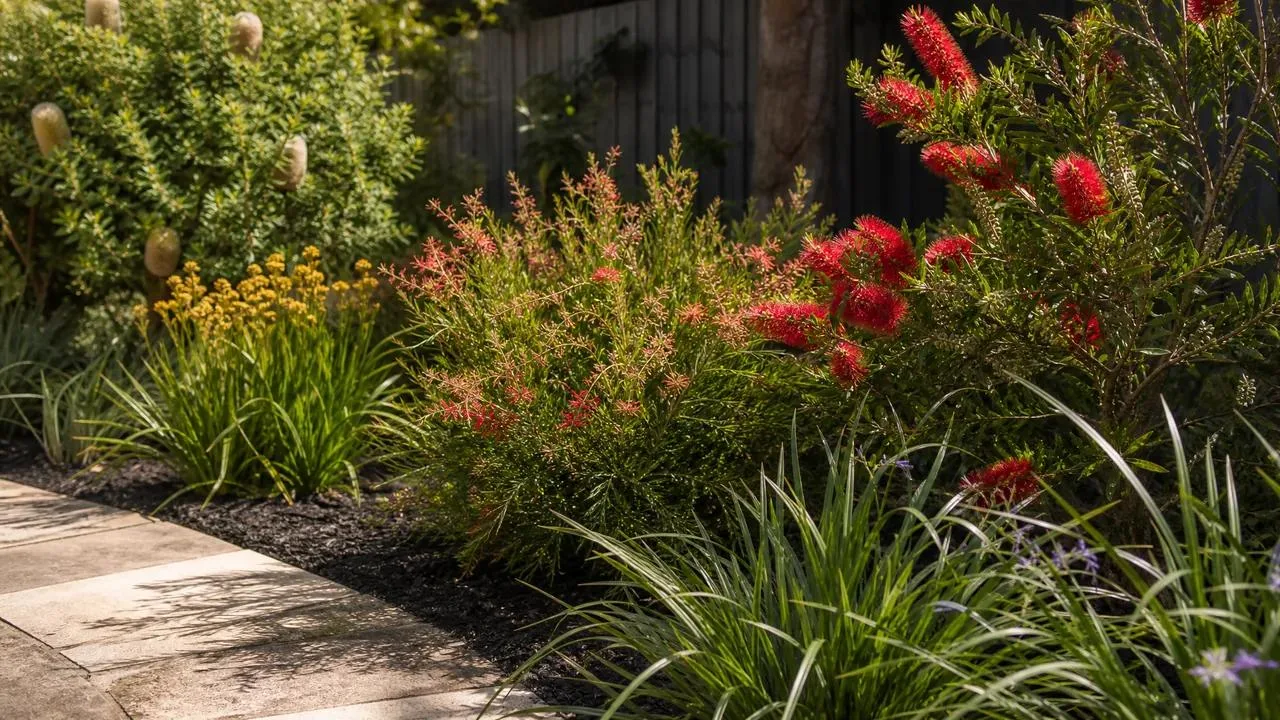
Melbourne summers can bring hot days, dry conditions and occasional heatwaves. Choosing plants that tolerate dry weather once established can reduce the amount of work required.
Here are three good options.
1. Kangaroo Paw
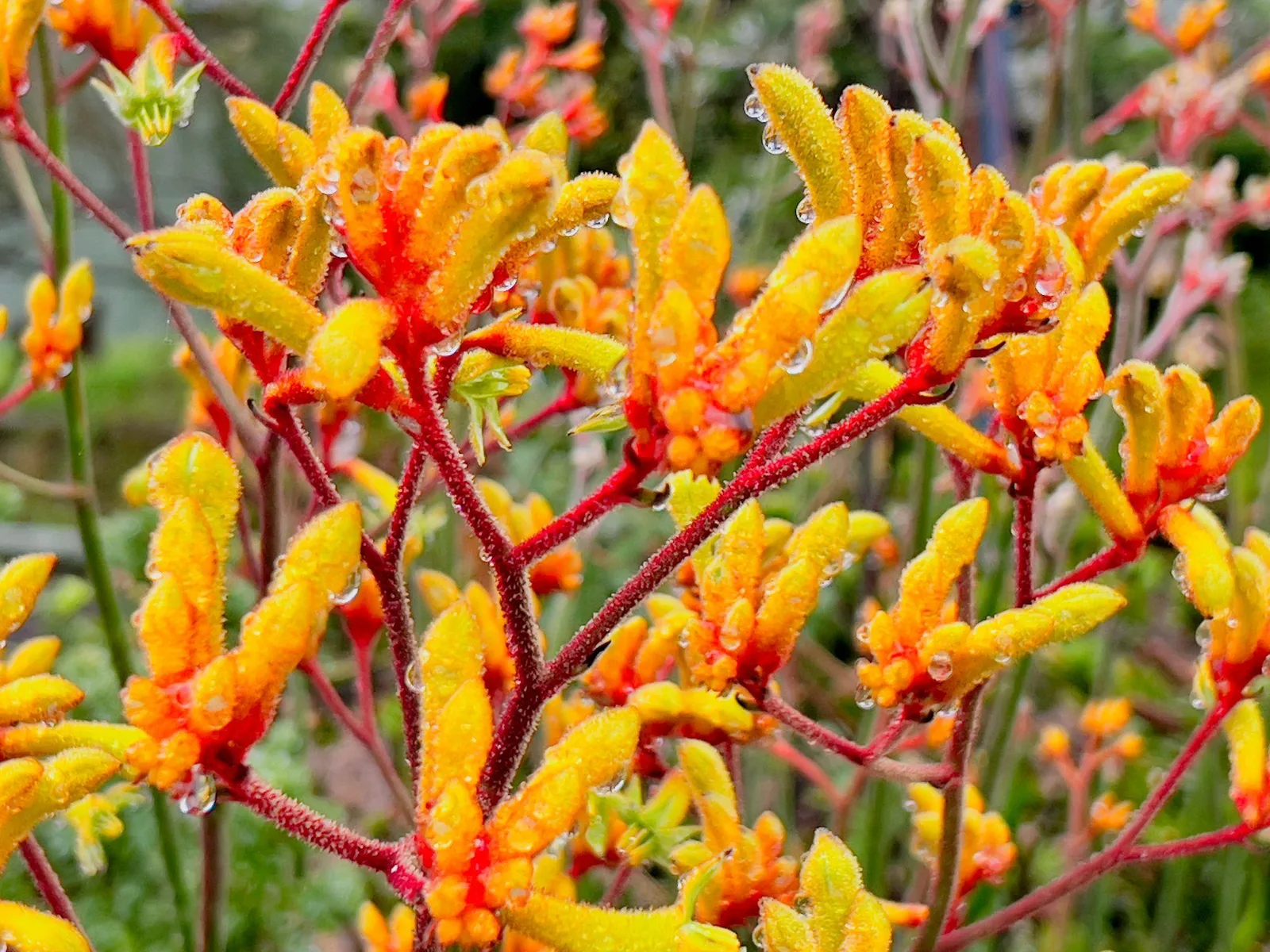
Kangaroo Paw is one of Australia's most recognisable native flowering plants. Its unusual flowers resemble the shape of a kangaroo's paw and are available in several colours, including red, yellow, orange and pink.
Why grow it?
Adds bright colour to sunny garden beds.
Attracts nectar-feeding birds.
Works well in contemporary garden designs.
Suitable for larger containers when the variety is compact.
Maintenance tip: Give it a sunny position and well-drained soil. Remove spent flower stems and old foliage when needed. Different varieties have different watering and maintenance requirements.
2. Grevillea
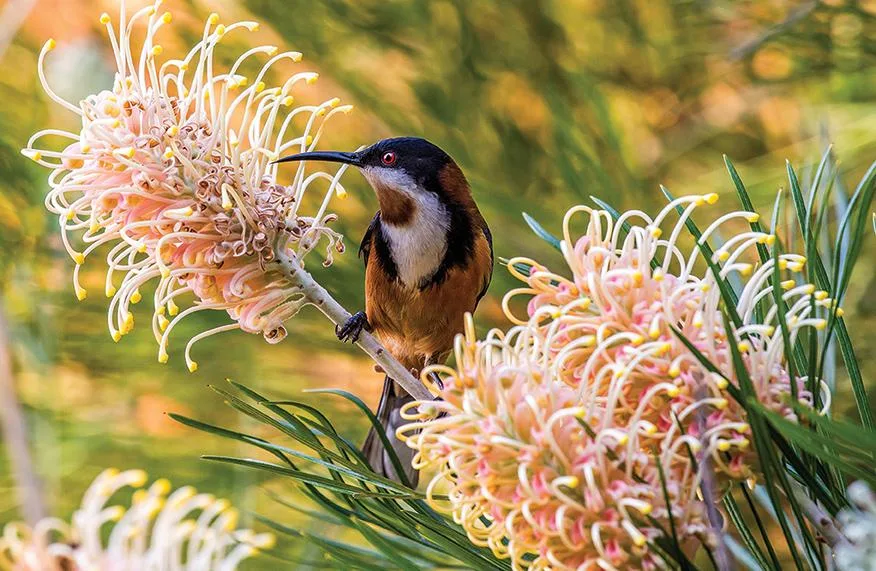
Grevilleas are excellent choices for gardeners who want colourful flowers and wildlife activity.
There are compact varieties for smaller gardens and larger shrubs for spacious backyards.
Why grow it?
Produces attractive flowers.
Provides nectar for honeyeaters.
Many varieties tolerate dry conditions once established.
Offers different shapes and sizes.
Maintenance tip: Select a variety suited to your soil and garden size. Avoid high-phosphorus fertilisers, which can damage many Australian native plants.
3. Lomandra
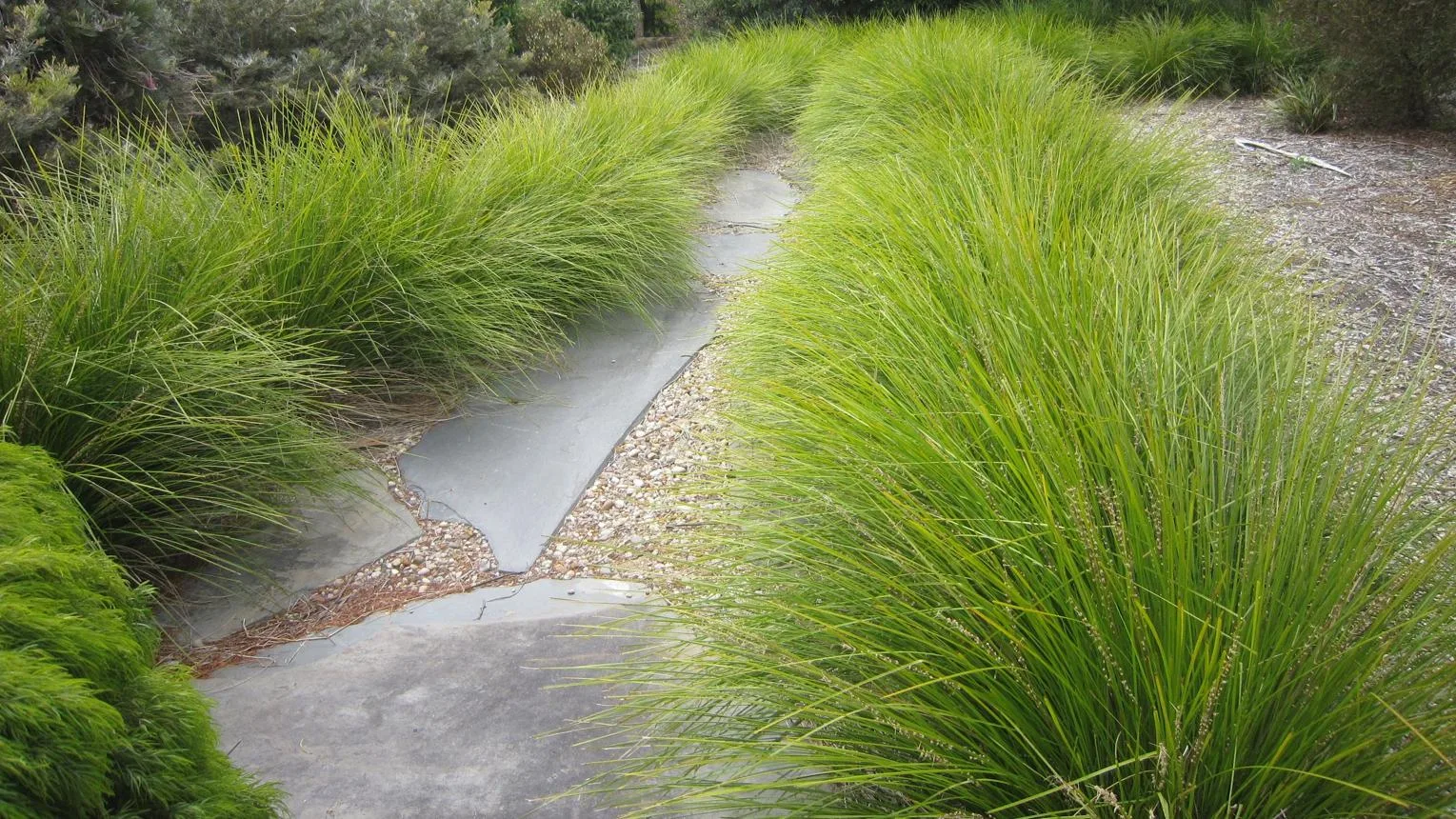
If you prefer a garden that looks green throughout the year without requiring regular mowing, Lomandra is worth considering.
Its long, grass-like leaves create a neat appearance and work particularly well along pathways, garden borders and driveway edges.
Why grow it?
Tolerates a range of garden conditions.
Useful for low-maintenance landscaping.
Provides attractive foliage throughout the year.
Suitable for many residential garden designs.
Maintenance tip: Water regularly while establishing. Remove damaged or old foliage when necessary.
3. Best Native Plants for Melbourne Gardens in Autumn
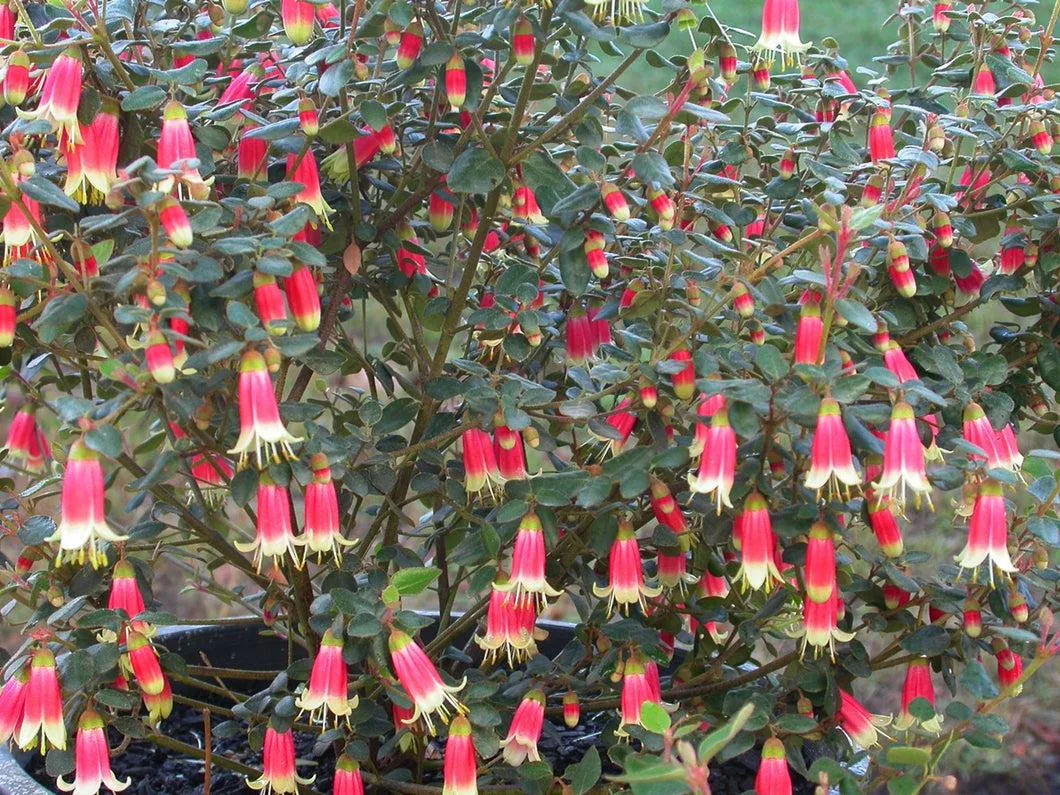
Autumn is one of the best times to establish a native garden in Melbourne.
The weather generally becomes cooler, and seasonal rainfall can help newly planted roots establish before the following summer.
The Australian Plants Society Victoria also recommends autumn planting in many situations, although spring may be more suitable in frost-prone locations.
1. Correa (Australian Fuchsia)
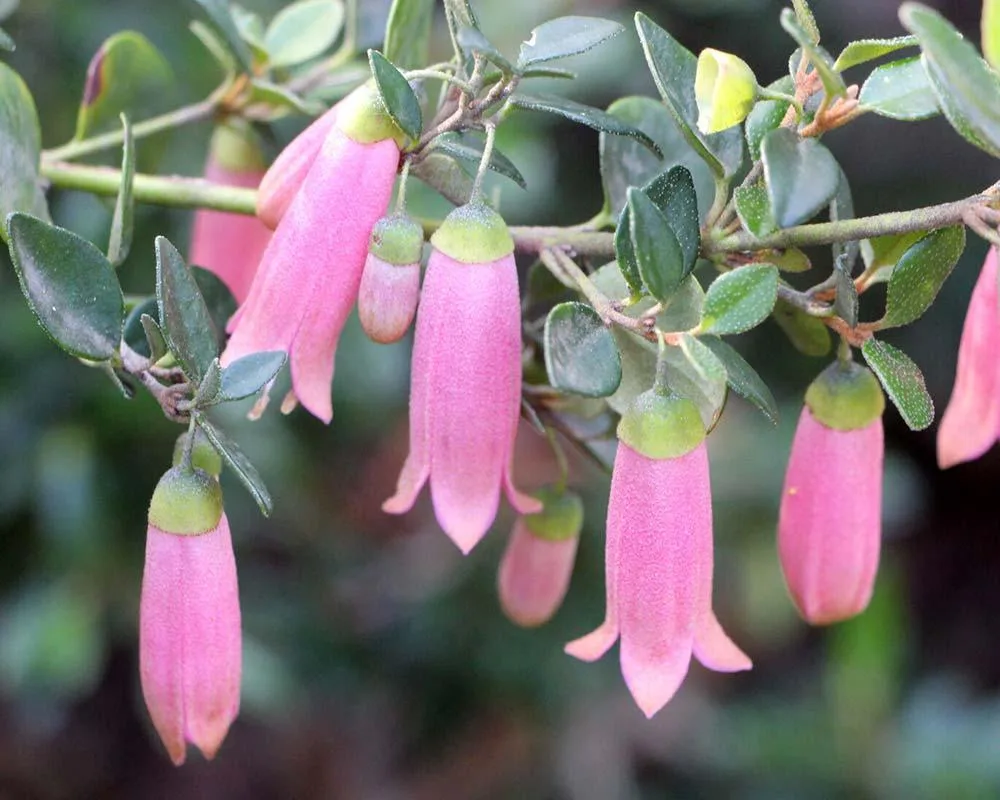
Correa is a beautiful native shrub known for its hanging, bell-shaped flowers.
Depending on the variety, flowers can appear in pink, red, green or cream shades. Many varieties flower during the cooler months.
Why grow it?
Provides colour during autumn and winter.
Attracts nectar-feeding birds.
Works well in smaller garden spaces.
Some varieties tolerate partial shade.
Maintenance tip: Choose a variety that suits your garden's drainage and sunlight. Light pruning after flowering can help maintain its shape.
2. Westringia (Coastal Rosemary)
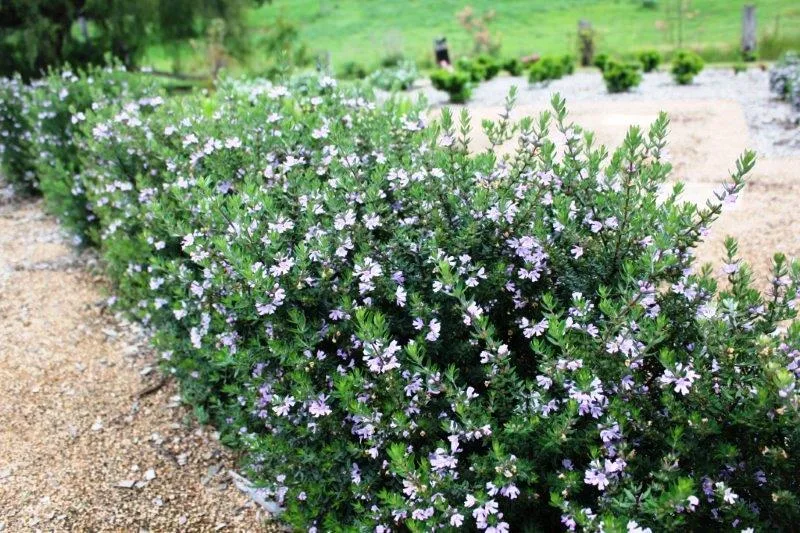
Westringia is a popular choice for homeowners who want an attractive hedge without constant maintenance.
Its grey-green foliage and small flowers create a neat, natural appearance.
Why grow it?
Suitable for hedges and borders.
Tolerates dry conditions once established.
Handles coastal conditions.
Responds well to occasional trimming.
Maintenance tip: Plant in a sunny or partly shaded position with suitable drainage. Trim lightly to maintain the desired shape.
3. Yellow Buttons
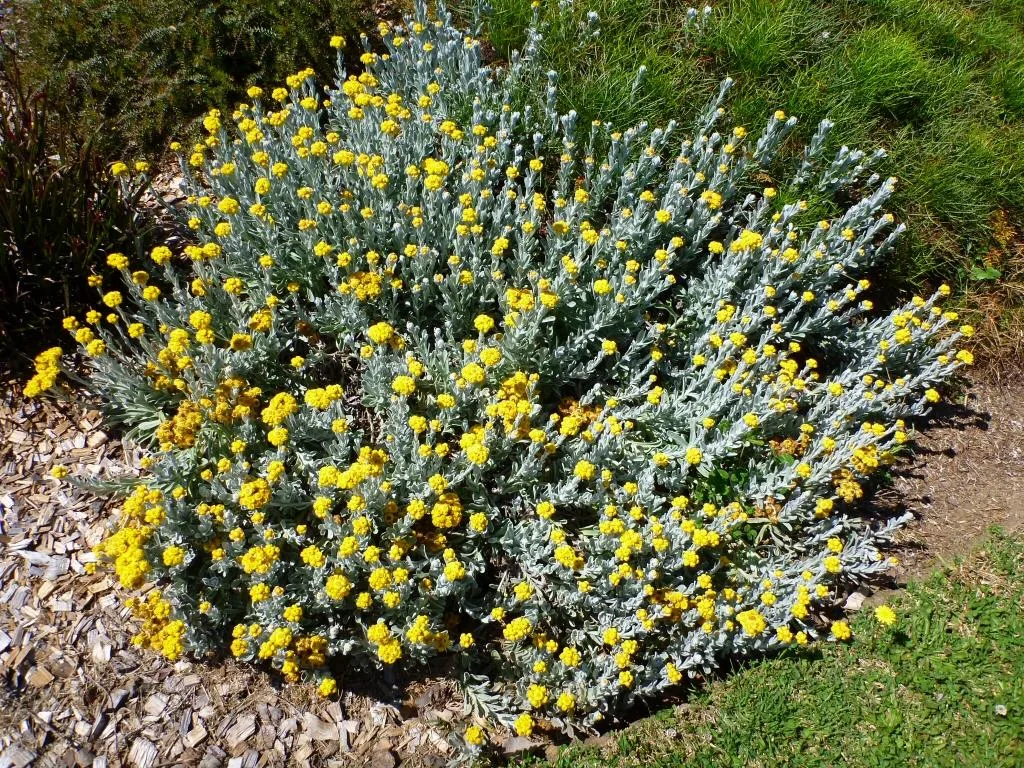
Yellow Buttons is a low-growing native plant with attractive silver-green foliage and bright yellow flowers.
It works particularly well in garden borders, rock gardens and spaces where you want ground coverage.
Why grow it?
Adds colour without taking up much space.
Helps cover bare garden soil.
Suitable for sunny positions.
Attracts insects and pollinators.
Maintenance tip: Avoid planting in poorly drained areas. Occasional trimming can encourage fresh growth.
4. Best Native Plants for Melbourne Gardens in Winter
Winter doesn't mean your garden needs to look dull.
Several Australian native plants provide flowers, foliage and structure during the cooler months.
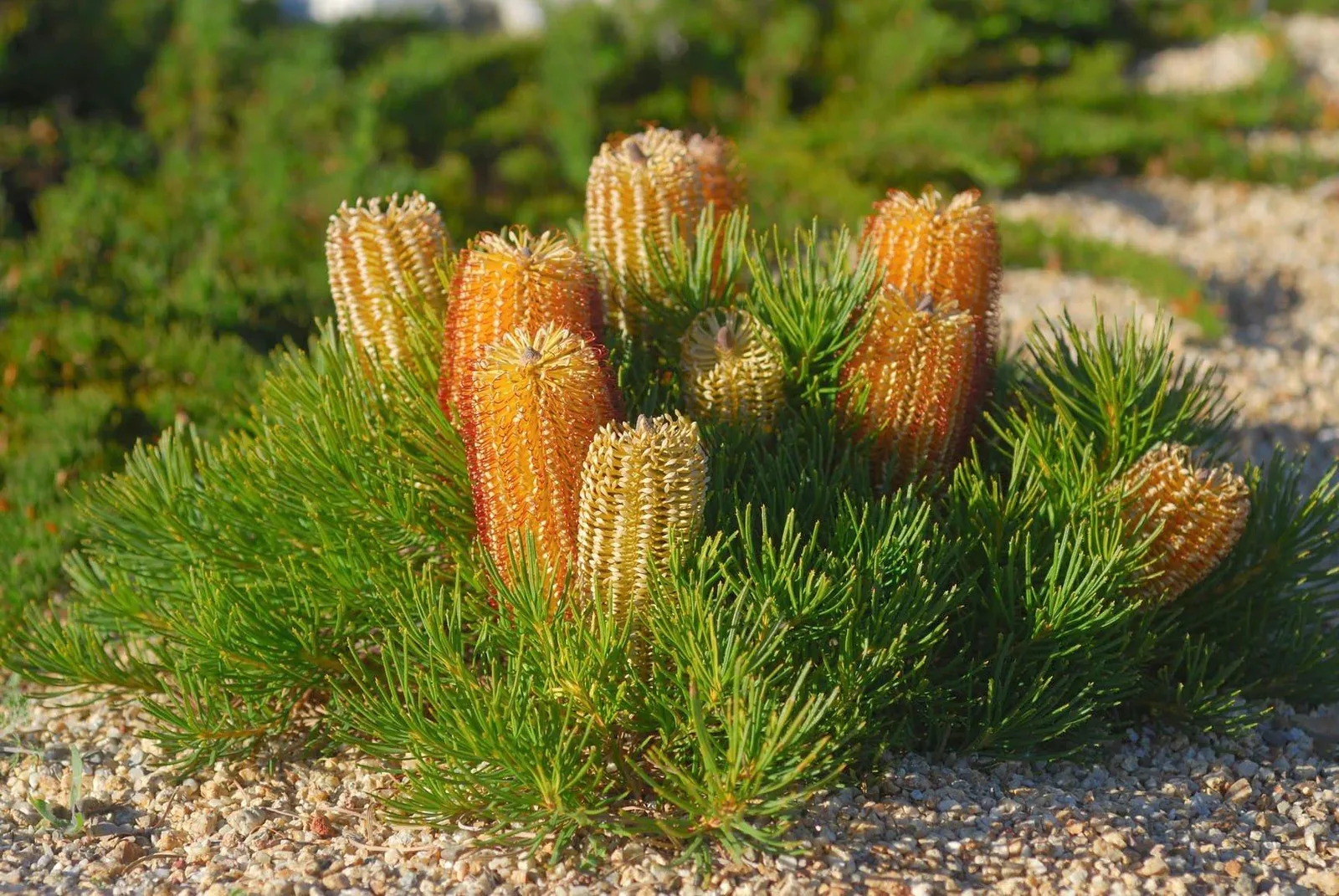
1. Banksia
Banksias are known for their distinctive flower spikes and interesting foliage.
Some varieties produce flowers during autumn and winter, offering colour when many other garden plants are less active.
Why grow it?
Provides nectar for native birds.
Creates an attractive focal point.
Available in different sizes.
Suitable for larger garden beds and some smaller spaces, depending on variety.
Maintenance tip: Check the mature size and soil requirements before planting. Many banksias prefer good drainage and low-phosphorus conditions.
2. Correa
Correa deserves another mention because many varieties flower during winter.
Its bell-shaped flowers can brighten shaded garden areas and provide nectar for birds.
3. Native Flax Lily (Dianella)
Dianella is a hardy foliage plant that adds structure to garden beds.
Some varieties produce blue or purple flowers followed by decorative berries.
Why grow it?
Attractive foliage throughout the year.
Suitable for borders and garden beds.
Some varieties tolerate shade.
Useful for low-maintenance landscaping.
Maintenance tip: Remove old leaves when needed and choose a variety suitable for the available sunlight and moisture.
5. Best Native Plants for Melbourne Gardens in Spring
Spring is when many gardens begin to show fresh growth and colourful flowers.
It is also a good time to assess your garden after winter, remove weeds and prepare planting areas for the warmer months.
1. Bottlebrush
Bottlebrush is a familiar Australian native plant with distinctive brush-shaped flowers.
It can be grown as a shrub or small tree, depending on the species and variety.
Why grow it?
Attractive flowers.
Provides nectar for birds.
Suitable for many residential gardens.
Offers screening and shade with larger varieties.
Maintenance tip: Check its mature height and width before planting. Prune lightly after flowering if needed.
2. Chocolate Lily
Chocolate Lily is a delicate Australian native perennial with attractive purple flowers.
It can be a lovely addition to a naturalistic garden, especially when planted alongside native grasses and other flowering species.
Why grow it?
Attractive seasonal flowers.
Suitable for native garden beds.
Works well in naturalistic planting designs.
Provides seasonal interest without needing a large amount of space.
Maintenance tip: Choose a suitable sunny to partly shaded position with well-drained soil.
3. Native Bottlebrush and Grevillea Combinations
Combining these two plants can create an attractive spring garden.
Choose varieties with different flowering periods and mature sizes so the garden has a balanced appearance rather than becoming overcrowded.
6. Best Native Plants for Small Melbourne Gardens and Balconies
Not everyone has a large backyard. Many Melbourne residents live in apartments, townhouses and properties with limited outdoor space.
Fortunately, you don't need a large garden to enjoy Australian native plants.
Here are some options worth considering:
Plant | Suitable Use |
|---|---|
Compact Grevillea | Large pots and small garden beds |
Dwarf Kangaroo Paw | Balcony containers and sunny courtyards |
Lomandra 'Tanika' | Garden borders and large containers |
Compact Correa | Partly shaded outdoor spaces |
Yellow Buttons | Small garden beds and containers |
Compact Dianella | Decorative pots and borders |
Container gardening tips:
Select pots with proper drainage holes.
Use a quality potting mix suitable for Australian native plants.
Choose containers large enough for mature roots.
Check moisture regularly, especially during summer.
Position plants according to their sunlight requirements.
Remember that container-grown natives can dry out faster than plants growing in the ground, so they may require more frequent attention.
7. How to Maintain a Native Garden Without Spending Too Much Time
A low-maintenance garden is not necessarily a garden that requires no attention.
The secret is choosing plants that naturally suit your outdoor conditions.
Here are some practical ways to reduce ongoing garden work.
Choose the right plants from the beginning
Don't select a plant simply because it looks attractive at the nursery. Check whether it needs full sunlight, partial shade or particular soil conditions.
Use mulch around garden beds
Mulch helps reduce moisture loss, suppress weeds and regulate soil temperature. Keep mulch away from direct contact with plant stems.
Avoid excessive fertilising
Many Australian native plants are adapted to nutrient-poor soils. High-phosphorus fertilisers can be harmful to sensitive species.
Water deeply during establishment
Even drought-tolerant native plants need regular watering while their root systems develop. Continue monitoring them through their first summer.
Group plants with similar water requirements
This makes watering easier and reduces the risk of overwatering plants that prefer drier conditions.
Remove weeds regularly
Weeds compete with young native plants for water, sunlight and nutrients.
These recommendations are consistent with the growing guidance provided by Australian Plants Society Victoria.
9. Native Planting Calendar for Melbourne
If you're unsure what to do in each season, use this simple gardening calendar.
Season | Recommended Gardening Activities |
|---|---|
Summer (Dec–Feb) | Water newly planted natives, remove weeds and monitor heat stress |
Autumn (Mar–May) | Plant new natives, prepare garden beds and apply suitable mulch |
Winter (Jun–Aug) | Remove damaged growth, monitor drainage and enjoy winter flowers |
Spring (Sep–Nov) | Plant suitable varieties, prune where appropriate and prepare for summer |
Autumn is generally a particularly useful planting window in Melbourne because plants can establish before the following summer. However, always consider local frost conditions, soil moisture and the needs of individual species.
10. Native Plants That Attract Birds, Bees and Butterflies
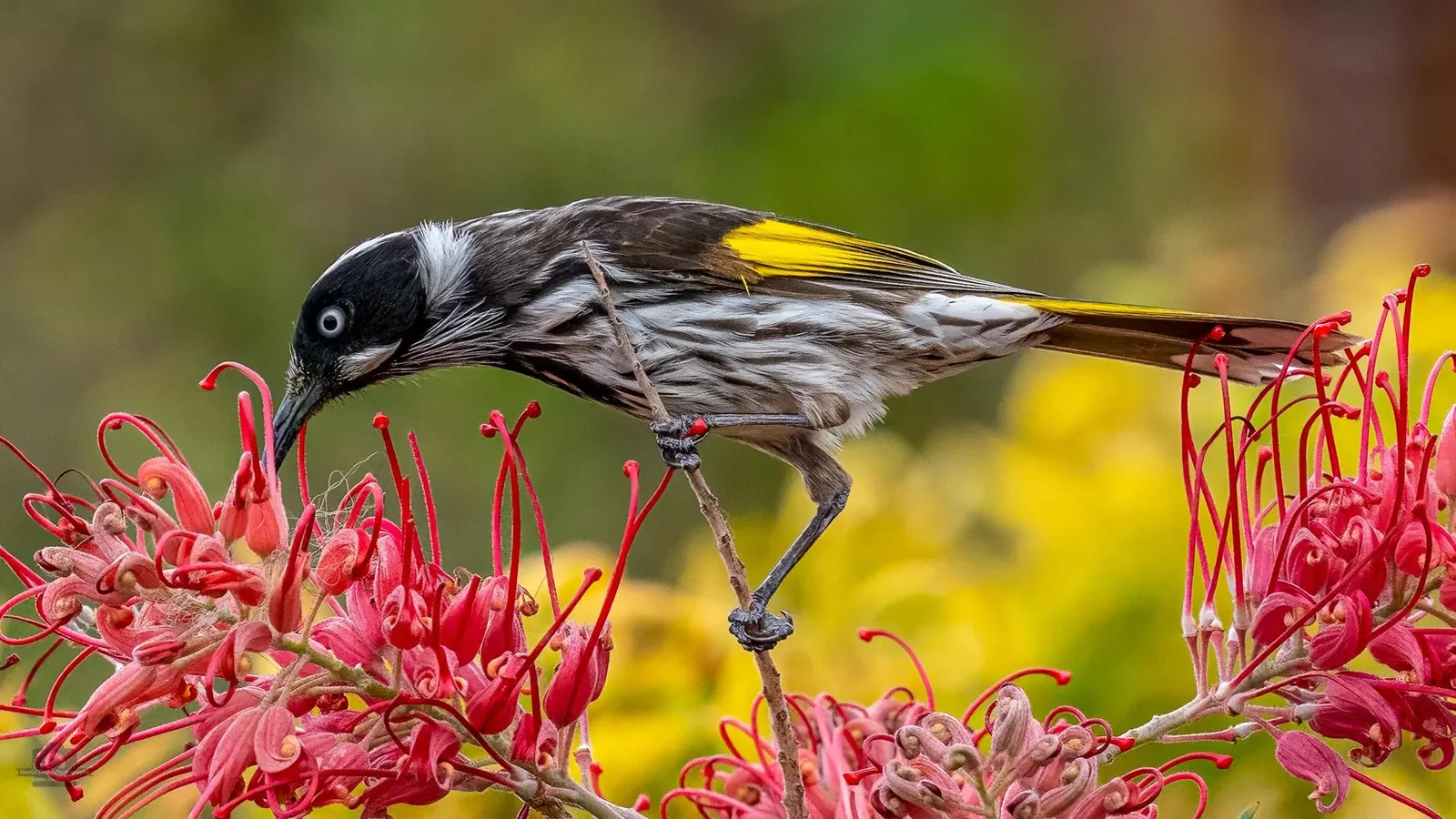
One of the best reasons to grow Australian native plants is the wildlife they can attract.
A garden with different flowering plants, shrubs and grasses can provide food and shelter for local wildlife.
Consider adding:
Grevillea: Nectar-rich flowers that attract honeyeaters.
Banksia: Flower spikes that provide food for nectar-feeding birds.
Bottlebrush: Flowers that attract birds and pollinating insects.
Correa: Tubular flowers that provide nectar.
Kangaroo Grass: Provides habitat and seeds for wildlife.
Native groundcovers: Can provide shelter and food for insects.
Try to include plants of different heights and flowering periods. This creates a more varied habitat than planting only one type of shrub.
Frequently Asked Questions
1. What are the easiest Australian native plants to grow in Melbourne?
Lomandra, Westringia, Dianella and suitable Grevillea varieties are good starting points. They are relatively hardy when planted in appropriate soil and light conditions.
2. What is the best time to plant native plants in Melbourne?
Autumn is generally the best time because cooler weather and seasonal rainfall help plants establish before summer. Spring is another suitable option, particularly in frost-prone areas.
3. Which native plants are best for a low-maintenance garden?
Lomandra, Westringia, compact Grevilleas and suitable native groundcovers are popular choices. Select plants that suit your garden's conditions to minimise watering and pruning.
4. Can native plants survive Melbourne summers?
Many Australian native plants can tolerate dry conditions once established. However, they still need appropriate watering during extreme heat, particularly when newly planted or growing in containers.
5. Which native plants attract birds in Melbourne?
Grevillea, Banksia, Correa and Bottlebrush are excellent options because their flowers can provide nectar for native birds.
6. Can I grow native plants in pots?
Yes. Compact Grevilleas, dwarf Kangaroo Paws, Lomandra and smaller Correa varieties can grow successfully in containers with suitable drainage and potting mix.
7. Are all Australian native plants suitable for Melbourne?
No. Australia has many different climates and soil types. A plant native to tropical Queensland, for example, may not thrive in a cool Melbourne garden. Always check the plant's growing requirements.
8. What is the difference between native and indigenous plants?
Native plants naturally occur somewhere in Australia. Indigenous plants naturally occur in a specific local region. For Melbourne gardens, locally indigenous plants can be particularly valuable because they are adapted to local environmental conditions.
More from Melbourne Sphere

City guides
Local SEO for Melbourne Businesses: Google Business Profile, Citations and Rankings Explained ?
Local SEO is about more than getting your business website onto Google's first page. It is about helping nearby customers discover your services, understand what you offer and feel confident contacting you. Start with the basics: optimise your Google Business Profile, maintain consistent business details, collect genuine reviews and make your website useful for people searching in Melbourne. You do not need hundreds of directory listings or dozens of repetitive suburb pages. A well-maintained
By Melbourne Sphere editors · Editorial team

City guides
Lock Rekeying vs Lock Replacement in Melbourne: Costs, Differences and Which to Choose ?
If your locks work well and you just need new keys, rekey them. If they're damaged, outdated or you want better security, replace them. And if you rent, ask first and keep everything in writing. A short phone call and a written quote can save you both money and a bond dispute. If this guide helped, share it with a friend who's moving, and read our other Melbourne guides on renting, moving and home costs.
By Melbourne Sphere editors · Editorial team

City guides
Google Ads Cost in Melbourne 2026: Average CPC by Industry and What to Budget ?
There's no single price for Google Ads in Melbourne, only a range shaped by your industry, keywords and competition. Use the benchmarks to set expectations, check your own keywords in Keyword Planner and measure cost per customer, not just cost per click. Start small, learn from the data and scale what works. If this guide helped, share it with a business owner who's weighing up ads, and check back for more Melbourne guides.
By Melbourne Sphere editors · Editorial team

City guides
How to Get Australian Work Experience: Volunteering and Internships ?
Getting Australian work experience is about being strategic rather than desperate. Start with the options your university offers, add volunteering, ask the right questions about any unpaid role and build a few good references. One genuine experience, well described, can do a lot more than a long list of vague ones. If this guide helped, share it with a friend who's building their resume, and read our other Melbourne student guides on jobs, resumes, visa work hours and scams.
By Melbourne Sphere editors · Editorial team
Comments
No comments yet. Be the first to join the conversation.
Leave a comment
Every comment is read by a moderator before it appears. Your email address is never published; it is used only to contact you about this comment.