
Roof Leak Repair in Melbourne: Common Causes and Average Repair Costs ?
A small roof leak can turn into a much bigger problem if it is left unattended. For Melbourne homeowners, regular roof inspections, clean gutters and early repairs can help protect properties from unnecessary water damage. Whether you have cracked roof tiles, leaking flashing, blocked gutters or a damaged Colorbond roof, the first step is to identify the actual cause rather than simply treating the visible water stain. Before choosing a contractor, compare written quotations, check the releva
Melbourne Sphere editors · Editorial team
13 min read

In this article
A leaking roof is one of those home problems that Melbourne homeowners should never ignore. A small water stain on the ceiling might not look serious initially, but it can be a warning sign of damaged roof tiles, deteriorating flashing, blocked gutters or a more significant roofing issue.
Melbourne's changing weather, heavy rainfall, strong winds and occasional storms can put pressure on residential roofs. Whether you live in a traditional tiled home in Brunswick, a weatherboard property in Preston or a modern house with a Colorbond roof in Point Cook, roof leaks can happen for several reasons.
The good news is that many roof leaks can be repaired without replacing the entire roof. However, identifying the actual source of the water is important because the visible ceiling stain is not always directly below the damaged area.
So, how much does roof leak repair cost in Melbourne? What are the most common causes, and when should you call a professional roofer?
In this guide, we'll explain typical roof leak repair prices, common warning signs, repair options and practical ways to protect your Melbourne home from further water damage.
1. How Much Does Roof Leak Repair Cost in Melbourne?
One of the first questions homeowners ask when they notice a leak is how much the repair will cost.
The answer depends on the roof material, location of the leak, amount of damage and accessibility.
Based on published Melbourne and Victorian pricing guides for 2026, a minor roof leak repair may cost a few hundred dollars, while more complicated repairs involving valleys, flashing or box gutters can cost several thousand dollars.
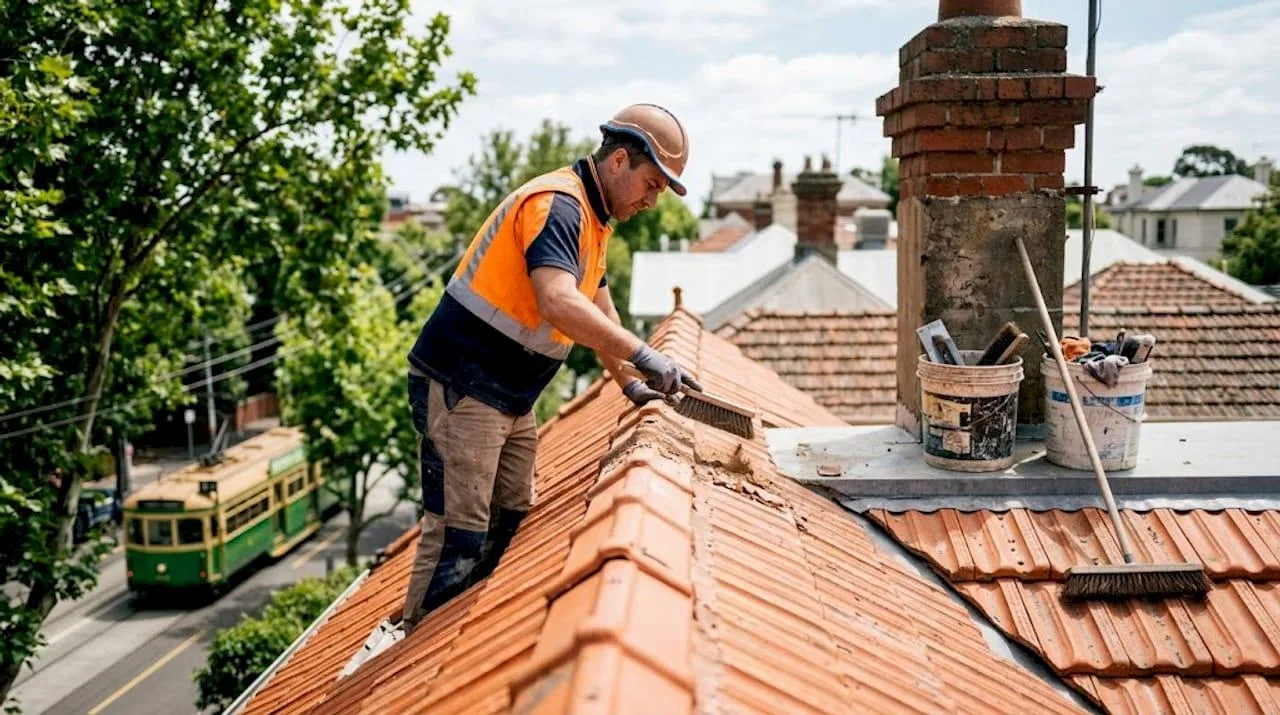
Average roof leak repair prices in Melbourne
Here are indicative price ranges to help homeowners plan their budgets.
Type of Roof Repair | Estimated Cost (AUD) |
|---|---|
Minor roof leak repair | $250–$600 |
Replacing broken roof tiles | $250–$550 |
Roof flashing repair | $400–$900 |
Ridge capping repair | $500–$1,200 |
Roof valley replacement | $700–$1,800 |
Colorbond roof leak repair | $350–$1,200 |
Metal roof repairs | $500–$2,000 |
Box gutter repairs | $900–$3,500 |
Prices are indicative 2026 Melbourne market estimates, not fixed quotations. Actual costs depend on materials, labour, roof access, damage and the scope of work. GST inclusions should be confirmed with the contractor.
For a broader Victorian comparison, published estimates also show that complex box gutter and valley repairs can cost considerably more than straightforward tile replacements.
What is the average cost of a minor roof leak?
For a straightforward repair involving a few damaged tiles, loose roof fasteners or minor flashing work, homeowners might budget approximately $250–$600.
However, if the roofer discovers damaged timber, deteriorated roof underlay or water damage inside the ceiling, the final bill can increase.
It is always worth requesting an inspection and written quotation before approving additional work.
2. Common Causes of Roof Leaks in Melbourne Homes
A roof leak can develop gradually or appear suddenly after heavy rain.
Understanding the common causes can help homeowners recognise problems early and arrange repairs before the damage spreads.
1. Broken or Cracked Roof Tiles
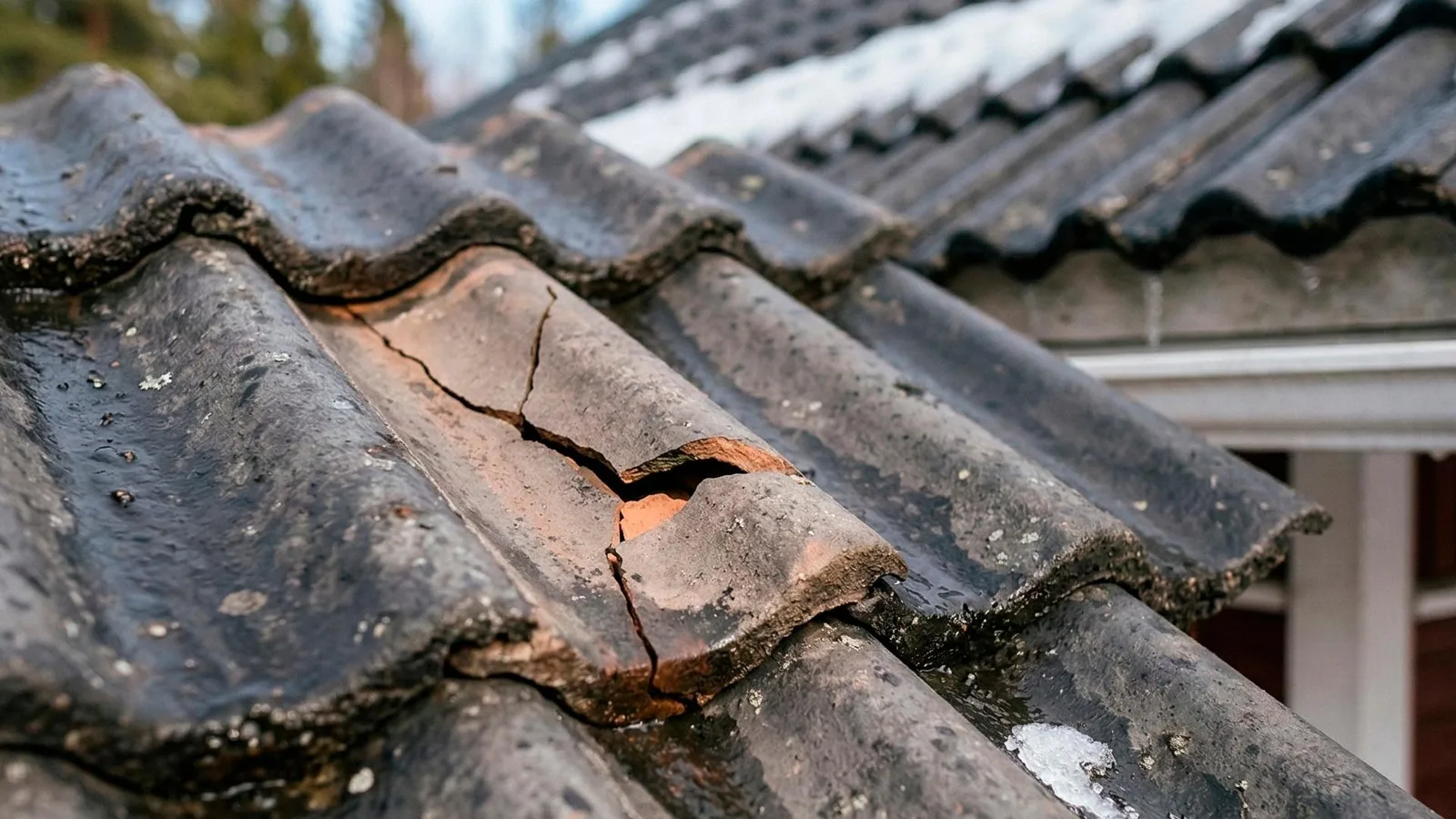
Broken or cracked roof tiles are among the most common reasons tiled roofs develop leaks.
Melbourne has many homes with concrete and terracotta tile roofs. Over time, tiles can crack because of ageing, physical damage, falling branches or movement around the roof structure.
When a tile breaks, rainwater can enter the roof space and eventually reach the ceiling.
Common warning signs:
Water stains appearing after rainfall.
Visible cracked or missing tiles.
Damp insulation inside the roof space.
Water dripping near ceiling edges.
Estimated repair cost: $250–$550 for a relatively simple tile replacement.
2. Damaged Roof Flashing
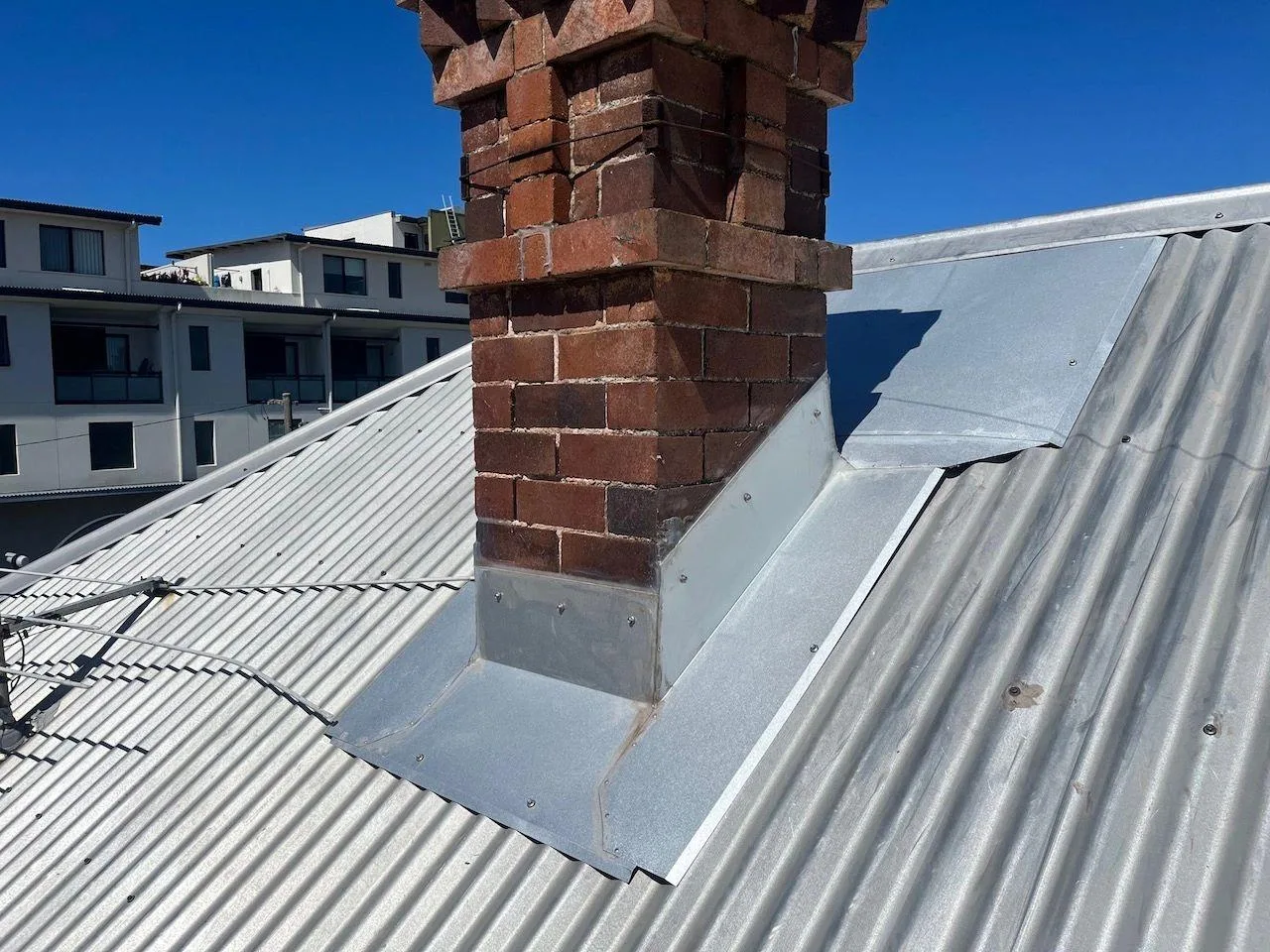
Roof flashing is designed to prevent water from entering vulnerable areas where roofing materials meet walls, chimneys, skylights and other roof structures.
If flashing becomes loose, rusted or damaged, rainwater can find its way underneath.
This is particularly important around older Melbourne homes with chimneys, extensions and complicated roof designs.
Common warning signs:
Water leaking near chimneys.
Damp patches around ceiling corners.
Rust around metal flashing.
Leaks appearing during windy rain.
Estimated repair cost: $400–$900, depending on the damaged area and materials.
3. Blocked Gutters and Downpipes
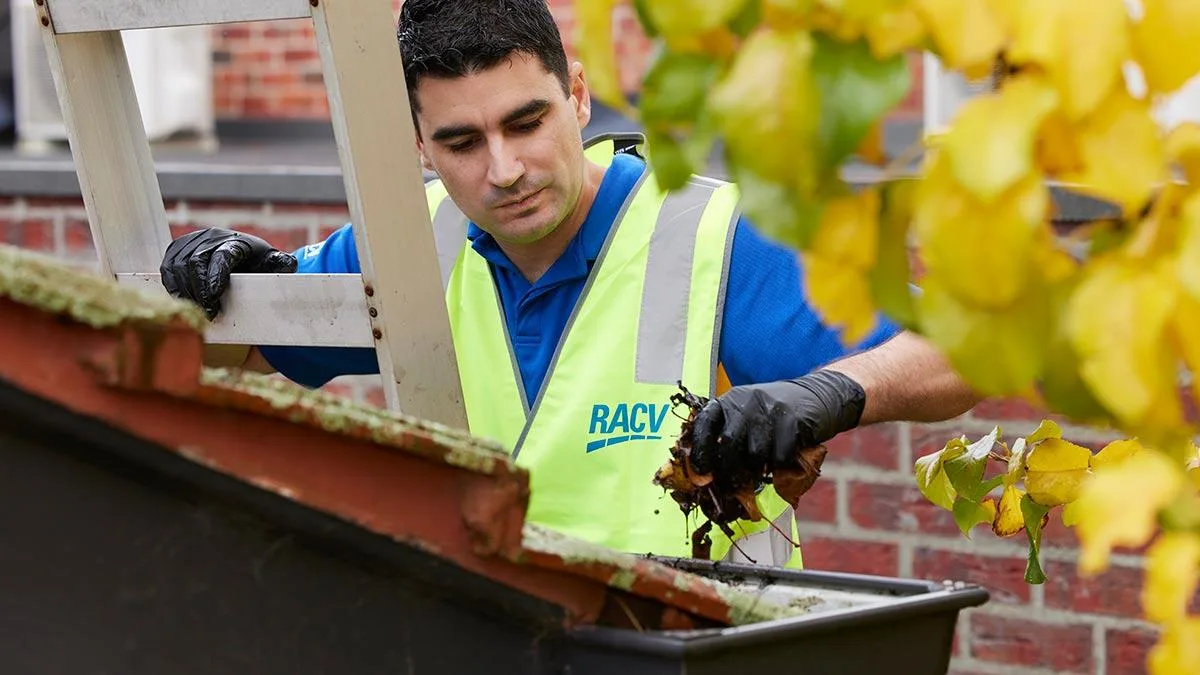
Blocked gutters are another common reason water enters a property.
Melbourne gardens often have mature trees, and falling leaves can accumulate in gutters and downpipes.
When water cannot drain properly, it may overflow and enter roof edges, eaves or wall cavities.
Common warning signs:
Water spilling over gutter edges.
Plants or leaves growing inside gutters.
Dampness around fascia boards.
Water collecting near the property's foundations.
Estimated cost: Approximately $150–$350 for straightforward gutter cleaning, with repairs or replacement costing extra.
4. Rust and Damage to Metal Roofing
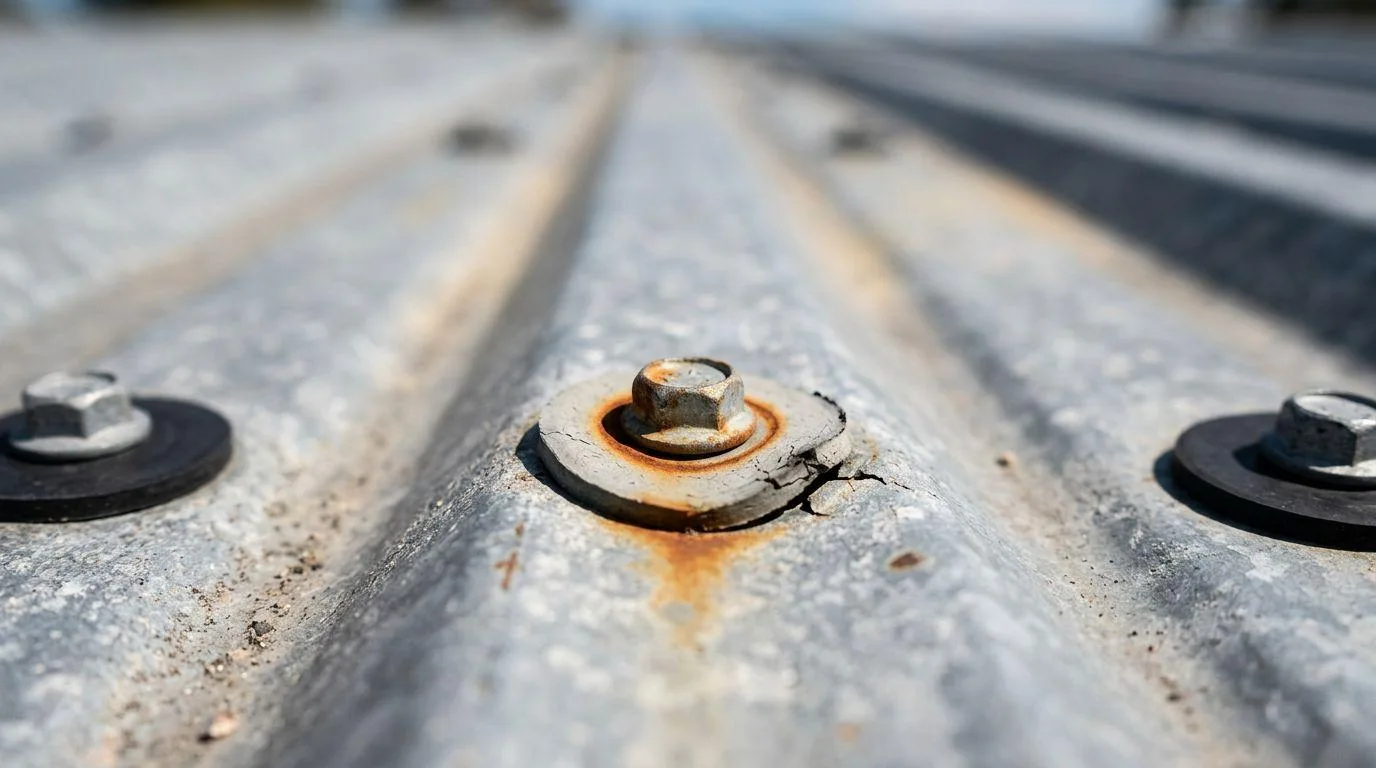
Metal roofs, including Colorbond and older galvanised steel roofing, can develop leaks when their protective surfaces deteriorate.
Common causes include:
Rusted roofing sheets.
Loose or corroded screws.
Damaged rubber washers.
Separating sheet joints.
Poorly sealed roof penetrations.
A minor fastener issue may be relatively inexpensive to fix. However, extensive corrosion can require replacing entire roof sections.
Estimated repair cost: $350–$2,000, depending on the type and extent of damage.
5. Damaged Roof Valleys
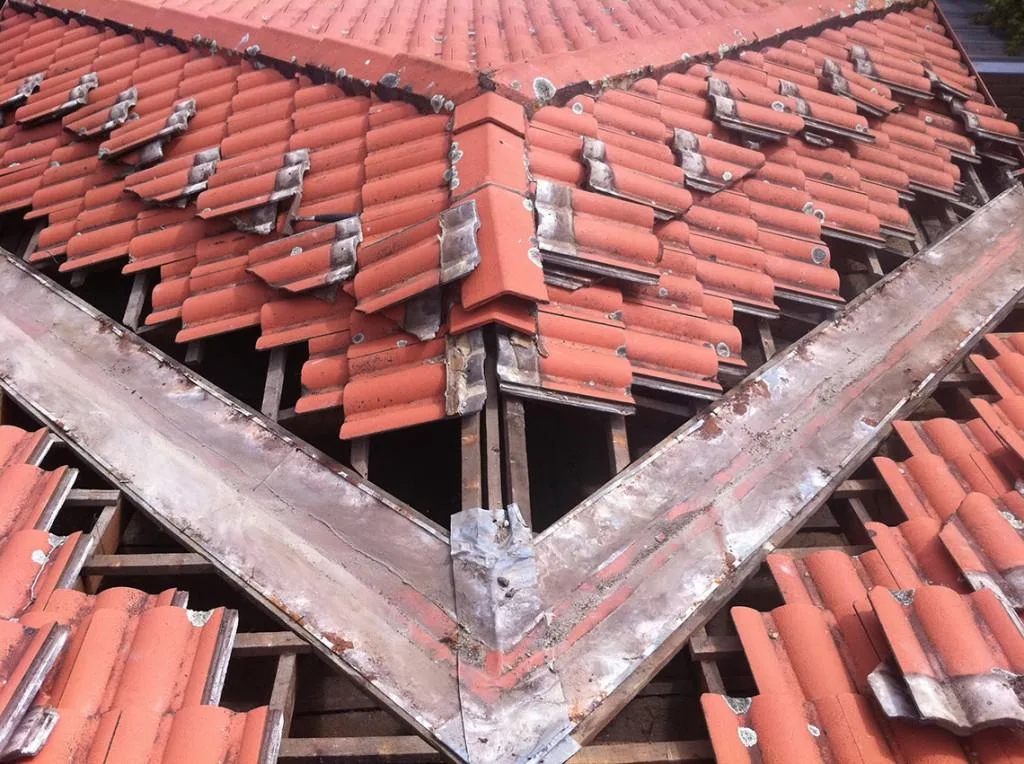
Roof valleys are the channels where two sloping roof sections meet. They collect rainwater and direct it towards the gutters.
Over time, valley materials can deteriorate, become blocked with leaves or develop corrosion.
If the valley cannot drain properly, water may enter the roof structure.
Common warning signs:
Leaks during heavy rainfall.
Rust visible in metal valley sections.
Debris collecting between roof sections.
Dampness around internal ceilings.
Estimated repair cost: $700–$1,800 for typical valley replacement work, depending on access and length.
6. Poorly Sealed Skylights and Roof Vents
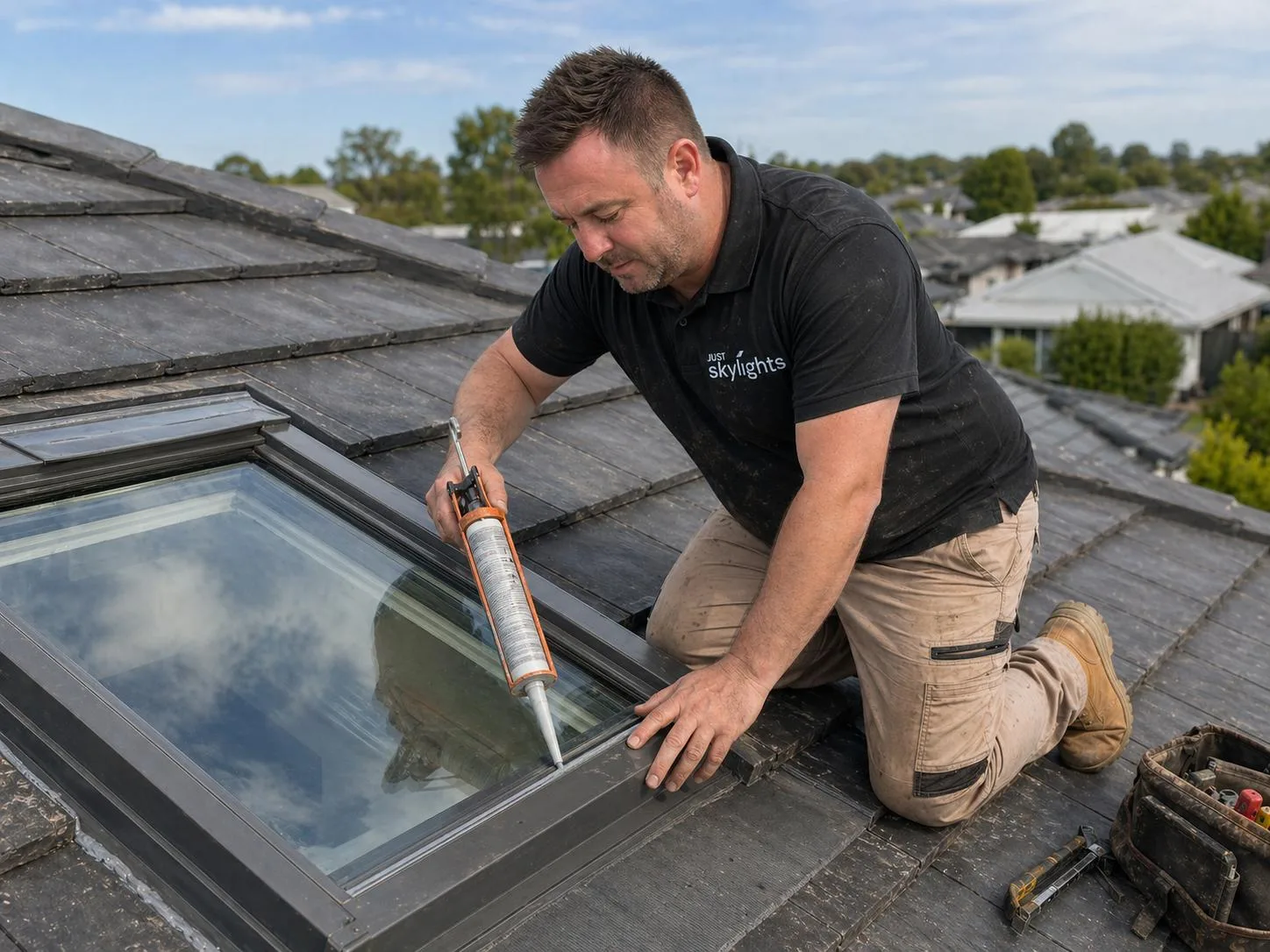
Skylights, ventilation systems, aerials and solar panel mounting points create openings in a roof.
If the seals or flashing around these areas deteriorate, rainwater can enter the property.
A professional inspection can help determine whether the issue is a failed seal, damaged flashing or another roofing problem.
Estimated repair cost: Approximately $200–$900 for straightforward sealing or flashing work, depending on the installation and extent of damage.
3. Signs Your Melbourne Home May Have a Roof Leak
Sometimes a roof leak is obvious because water starts dripping from the ceiling. In other cases, the signs are much less noticeable.
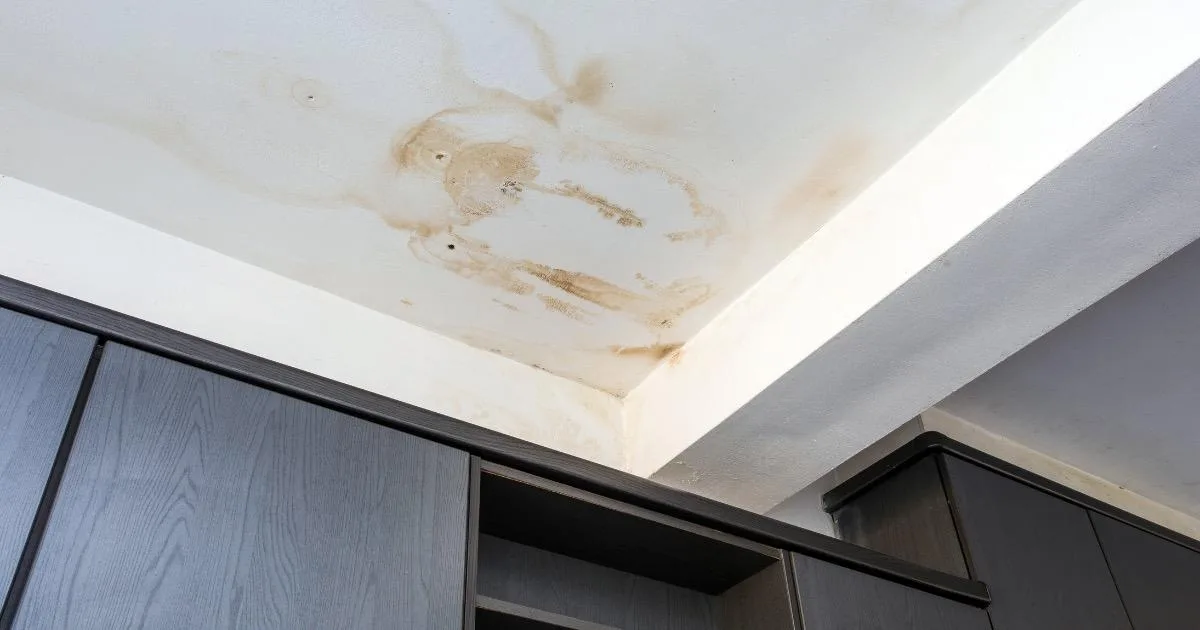
Look out for these warning signs:
Brown ceiling stains: Discoloured patches may indicate water entering through the roof.
Peeling paint: Moisture can cause ceiling or wall paint to bubble and peel.
Musty smells: Persistent dampness can contribute to mould growth.
Damp insulation: Wet insulation in the roof cavity may suggest an ongoing leak.
Dripping water: Visible dripping during rainfall requires prompt attention.
Sagging ceilings: Water accumulation can weaken plasterboard and create a safety risk.
Do not assume that the leak is directly above the stain. Water can travel along roof framing and other surfaces before becoming visible indoors.
If the ceiling is bulging or sagging, keep people away from the area and arrange urgent professional assistance.
4. Roof Leak Repair Costs by Roof Type
The roofing material can influence the repair method, labour requirements and availability of replacement materials.
Melbourne homes commonly have tiled roofs, Colorbond roofs and older metal roofing systems.
Roof Type | Common Problems | Indicative Repair Budget |
|---|---|---|
Terracotta tiles | Cracked tiles, deteriorating ridge pointing | $350–$2,000+ |
Concrete tiles | Broken tiles, ridge cap damage | $280–$1,800 |
Colorbond | Loose screws, damaged seals, sheet joints | $350–$1,500 |
Older metal roofing | Corrosion, rust and damaged sheets | $500–$3,000+ |
These are broad budgeting estimates rather than standard industry rates.
Which roof is easier to repair?
A small leak caused by one broken tile may be relatively straightforward to repair.
A metal roof with widespread corrosion or an older tiled roof with deteriorating underlay may need more extensive work.
The best repair approach depends on the actual condition of the roof, not simply its material.
5. What Factors Affect Roof Leak Repair Prices?
Two Melbourne homeowners can experience similar-looking roof leaks but receive very different repair quotations.
Here are the main factors that influence the final cost.
Roof height and accessibility
A single-storey home may be easier to access than a double-storey property. Steep roofs, restricted access and additional safety equipment can increase labour costs.
Extent of water damage
A small leak might only require replacing a few tiles. However, long-term water exposure can damage timber battens, roof underlay, insulation and internal plasterboard.
Roofing materials
Terracotta, concrete, Colorbond and older metal roofing require different repair techniques and materials.
Emergency repair requirements
If your roof starts leaking during a storm or outside normal working hours, emergency attendance may cost more than a scheduled repair.
Additional equipment
Scaffolding, elevated work platforms and specialist leak-detection equipment can increase the overall quotation.
For example, one Melbourne roofing provider estimates that additional access equipment for difficult properties can add approximately $400–$1,200, depending on the requirements.
6. What Should You Do When Your Roof Starts Leaking?
Discovering water coming through your ceiling can be stressful, particularly during heavy Melbourne rainfall.
The following steps can help minimise damage while you arrange professional repairs.
Step 1: Protect furniture and belongings
Move furniture, electronics and other valuable items away from the affected area. Place a bucket underneath dripping water if it is safe to do so.
Step 2: Avoid electrical hazards
If water is near electrical fittings, switches or power points, keep away from the area. Arrange for a licensed electrician if there is a risk to electrical safety.
Step 3: Take photographs
Photograph ceiling stains, water damage and any visible external damage from a safe position. These records may also help with an insurance assessment.
Step 4: Contact a professional roofer
Arrange an inspection to identify where the water is entering. Avoid relying on temporary sealant as a permanent solution.
Step 5: Check your home insurance
Contact your insurer to understand whether the damage and associated repairs are covered under your policy.
Remember, insurance cover depends on the policy and cause of damage. Storm-related damage may be treated differently from gradual deterioration or neglected maintenance.
7. How to Prevent Roof Leaks in Melbourne
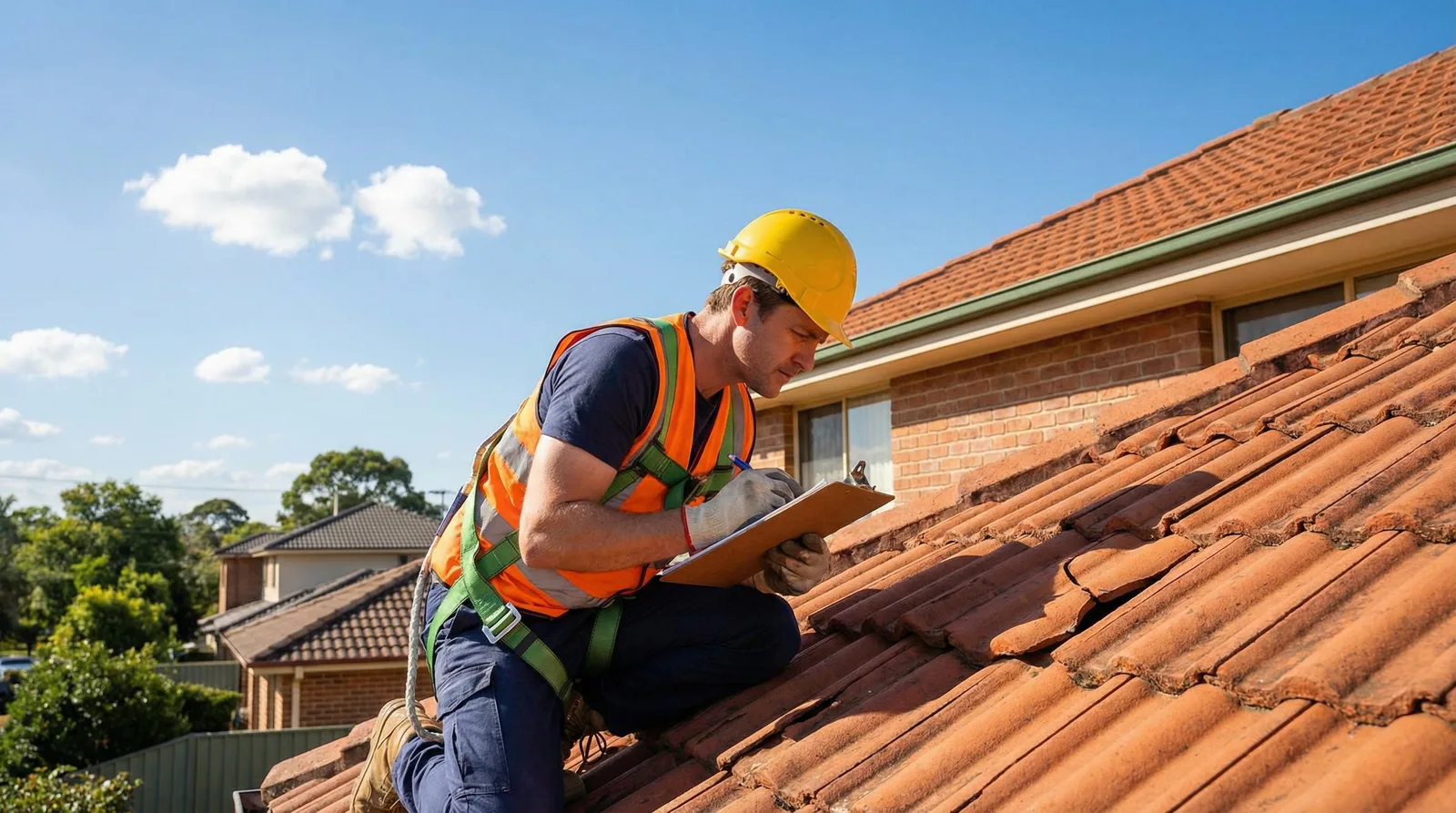
Preventative maintenance can help homeowners identify small problems before they become expensive repairs.
Here are some practical tips.
Inspect your roof regularly: Arrange periodic professional inspections, particularly before the wetter months.
Clean gutters: Remove leaves, dirt and other debris so rainwater can drain properly.
Check roof tiles: Look for cracked, loose or missing tiles from the ground.
Maintain flashing: Check vulnerable roof junctions during professional inspections.
Trim overhanging branches: Reduce the risk of falling branches and excessive leaf accumulation.
Check your ceiling: Look for new stains, damp patches or peeling paint.
Address small problems early: A minor repair may prevent more extensive water damage.
A professional roof inspection before autumn and winter can be a sensible part of home maintenance.
8. How to Choose a Reliable Roof Leak Repairer in Melbourne
Choosing the right roofing contractor is just as important as identifying the leak.
A cheap quotation might look attractive, but it is important to understand exactly what work is included.
Before hiring someone, consider the following:
Check their credentials: Confirm the contractor has the appropriate registration or licence for the work.
Ask for an inspection: A professional should investigate the source of the leak rather than simply patching the visible damage.
Compare written quotations: Request at least three quotes for the same repair scope.
Check insurance: Ask whether the contractor has appropriate public liability and worker insurance.
Ask about workmanship warranties: Understand what is covered and for how long.
Request an itemised breakdown: Check labour, materials, access equipment and additional charges.
Important: Victorian roofing regulations
Certain roofing and stormwater drainage activities are regulated plumbing work in Victoria. Where the work falls within the regulated roofing (stormwater) plumbing class, the person performing it must hold the appropriate registration or licence.
Also, Consumer Affairs Victoria explains that plumbing work valued at $750 or more, including labour, parts and materials, requires a plumbing compliance certificate from the plumber.
Safety reminder: Never climb onto a wet, damaged or steep roof to investigate a leak yourself. Roofs can contain fragile sections and unsafe skylights. WorkSafe Victoria highlights the serious risk of falling through damaged roofing and skylights.
9. Does Home Insurance Cover Roof Leaks in Australia?
This is another important question for Melbourne homeowners.
The answer depends on what caused the leak and the terms of your home insurance policy.
For example:
Situation | Possible Insurance Treatment |
|---|---|
Sudden storm damage | May be covered |
Falling tree damages roof | May be covered |
Gradual roof deterioration | Often excluded |
Poor roof maintenance | Often excluded |
Water damage following an insured event | May be covered |
These are general examples, not guarantees of coverage.
If you experience a roof leak following a storm:
Take photographs of the damage.
Record when the leak occurred.
Contact your insurance company.
Keep repair quotations and invoices.
Ask whether an inspection is required before permanent repairs begin.
If temporary work is necessary to prevent further damage, discuss it with your insurer and keep records of the work completed.
10. Roof Leak Repair vs Roof Replacement: Which Is Better?
Not every leaking roof needs to be replaced.
Sometimes a targeted repair is enough to restore the roof's ability to keep water out. In other cases, widespread deterioration means repeated repairs may become expensive.
Situation | Recommended Approach |
|---|---|
One or two broken tiles | Targeted roof repair |
Small flashing leak | Flashing repair |
Minor gutter blockage | Gutter cleaning |
Multiple damaged roof sections | Professional assessment |
Widespread rust on metal roofing | Assess partial or full replacement |
Extensive structural deterioration | Assess restoration or replacement |
A Melbourne roofing cost guide published in October 2026 estimates that a single-storey full roof replacement can cost approximately $14,700–$31,500, depending on the project. This is substantially more than most minor leak repairs.
The right decision should be based on the roof's age, condition, repair history and the expected cost of future maintenance.
11. Frequently Asked Questions About Roof Leak Repair in Melbourne
1. How much does roof leak repair cost in Melbourne?
Minor roof leak repairs can cost around $250–$600. Moderate repairs may cost $600–$1,500, while complicated jobs involving roof valleys, box gutters or extensive damage can cost $1,500–$3,500 or more.
2. How quickly should I repair a leaking roof?
You should arrange an inspection as soon as you notice a leak. Active water entry, electrical hazards, sagging ceilings or serious storm damage require urgent attention.
3. Can a roof leak be repaired without replacing the roof?
Yes. If the problem is isolated to a few broken tiles, damaged flashing or a leaking roof penetration, a targeted repair may be sufficient.
4. What is the most common cause of roof leaks?
Common causes include cracked tiles, deteriorating flashing, blocked gutters, damaged roof valleys, rusted metal sheets and poorly sealed skylights.
5. Are roof leaks covered by home insurance in Melbourne?
Some sudden and accidental events, such as storm damage, may be covered. Gradual wear and tear and poor maintenance are commonly excluded. Check your policy and contact your insurer.
6. How often should I inspect my roof?
A periodic professional inspection, particularly before autumn and winter, can help identify problems early. Additional inspections may be sensible after severe storms.
7. How do I know if my roof needs repair or replacement?
If the damage is limited to one area, repair may be sufficient. Widespread rust, repeated leaks, extensive structural deterioration or multiple failing sections may justify considering restoration or replacement.
8. Can blocked gutters cause a roof leak?
Yes. Blocked gutters and downpipes can prevent water from draining correctly, potentially causing overflow and water entry around roof edges and eaves.
More from Melbourne Sphere

Roofing
Colorbond vs Terracotta vs Concrete Tiles: Melbourne Roofing Materials Compared ?
There's no universally best roof, only the right roof for your frame, your street and your budget. Check whether restoration is possible, have the structure assessed, check any overlays and permits, and compare itemized quotes. Do that, and the material choice becomes much easier. If this guide helped, share it with a neighbor planning a re-roof, and check back for more Melbourne home guides.
By Melbourne Sphere editors · Editorial team
Comments
No comments yet. Be the first to join the conversation.
Leave a comment
Every comment is read by a moderator before it appears. Your email address is never published; it is used only to contact you about this comment.