
Is Melbourne Very Expensive?
Melbourne can be an expensive city, but the overall cost depends on your lifestyle, location and spending habits. Accommodation is usually one of the biggest expenses, especially in Melbourne CBD and popular inner-city suburbs. Food costs can also vary depending on whether you cook at home or eat at restaurants and cafés. Public transport offers a convenient way to travel around the city and can help reduce transportation costs. Melbourne also has many free and affordable attractions.
Melbourne Sphere editors · Editorial team
3 min read

In this article
Melbourne is one of Australia’s most popular cities, known for its coffee culture, restaurants, sporting events, shopping, arts and vibrant neighborhoods. But one common question for visitors, students and people planning to move to the city is: Is Melbourne very expensive?
The answer depends on your lifestyle, where you live and how you manage your daily expenses. Melbourne can be expensive, particularly for accommodation, but there are also plenty of ways to enjoy the city on a reasonable budget.
Accommodation Costs in Melbourne
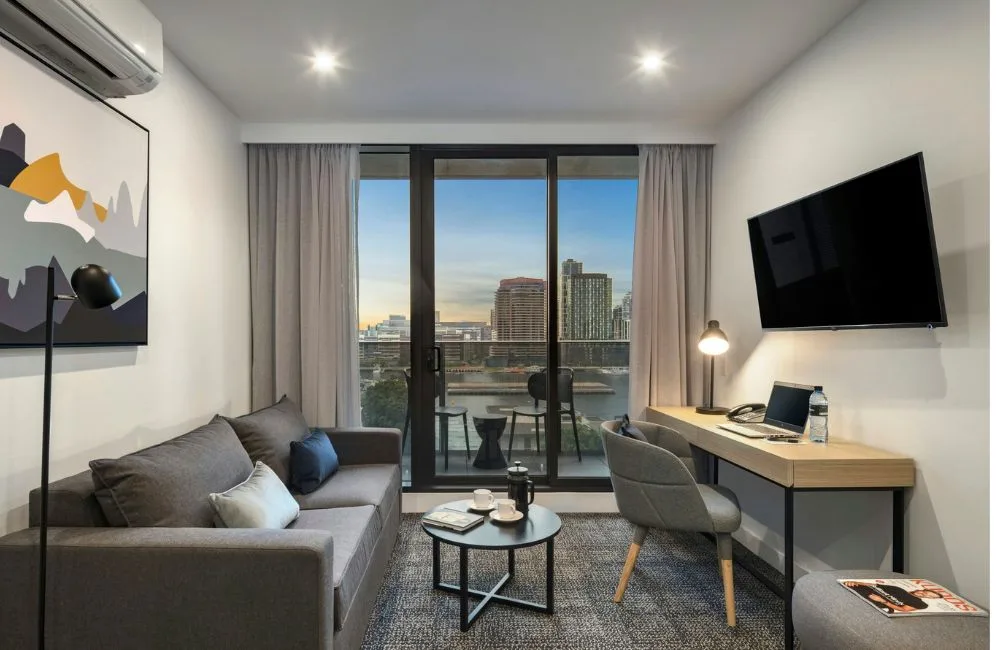
Accommodation is generally one of the biggest expenses in Melbourne. Properties close to the Melbourne CBD and popular inner-city suburbs tend to be more expensive than those further from the city center.
For visitors, hotels and short-term accommodation can take up a significant part of the travel budget. People staying for longer periods may consider shared accommodation, apartments or suburbs outside the CBD to reduce costs.
Food and Dining

Melbourne has a huge range of restaurants, cafés, takeaway shops and markets, so food expenses can vary considerably.
Eating at restaurants regularly can become expensive, while cooking at home and buying groceries from supermarkets can help reduce daily spending. Melbourne's café culture is also popular, although frequent coffees and meals out can add up over time.
Public Transport
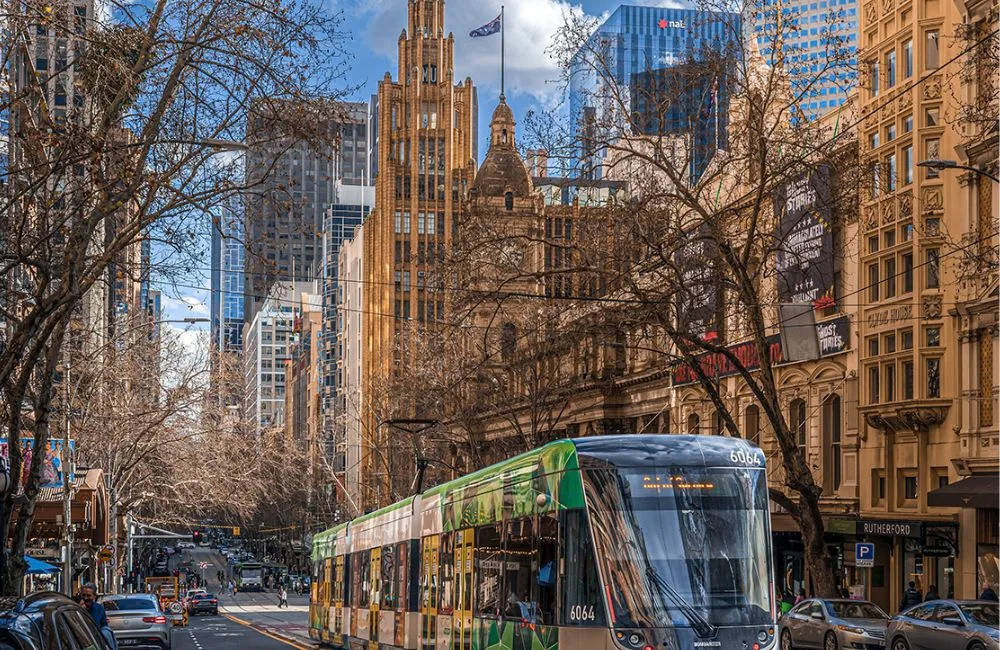
Public transport is an important part of everyday life in Melbourne. Trains, trams and buses connect the CBD with many surrounding suburbs.
Using public transport instead of owning and maintaining a car can help reduce transportation expenses. The city also has a Free Tram Zone in the central Melbourne area, which can be useful for visitors exploring the CBD.
Entertainment and Things to Do

Melbourne offers entertainment options for almost every budget. While concerts, sporting events and some attractions can be expensive, the city also has many free or low-cost activities.
Visitors can explore laneways, parks, markets, public spaces and cultural attractions without spending a lot of money. Walking around areas such as the CBD can also be an inexpensive way to experience Melbourne's atmosphere.
Is Melbourne Expensive for Tourists?
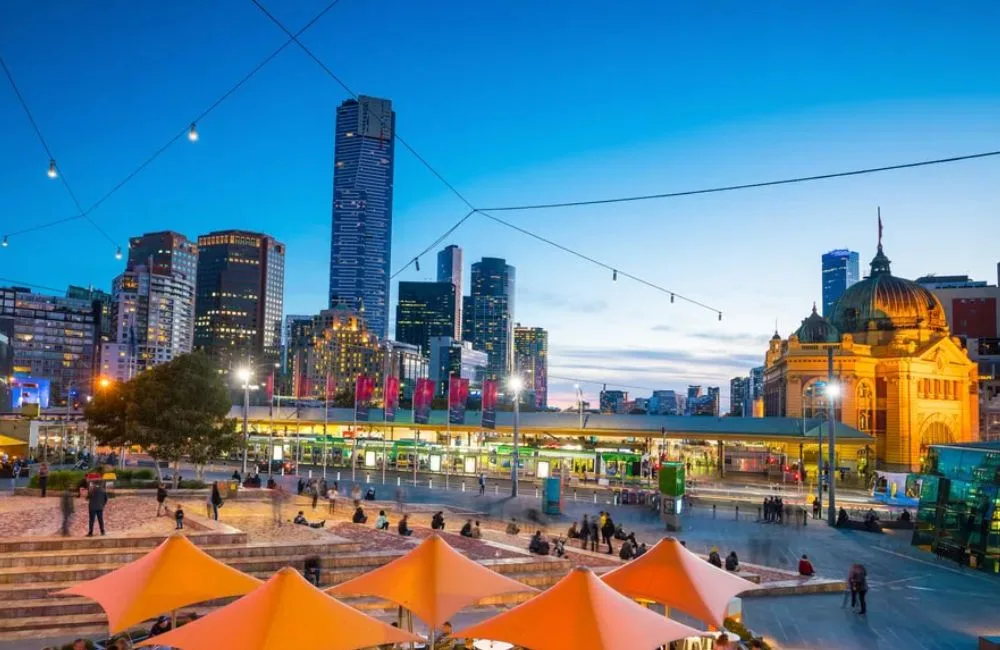
For tourists, accommodation is often the biggest expense. Your overall budget will depend on the type of hotel you choose, how often you eat out and the attractions you visit.
Travelling during busy periods can also affect accommodation prices. Planning ahead, using public transport and choosing a mix of paid and free attractions can help keep a Melbourne trip within budget.
Is Melbourne Expensive for Students?
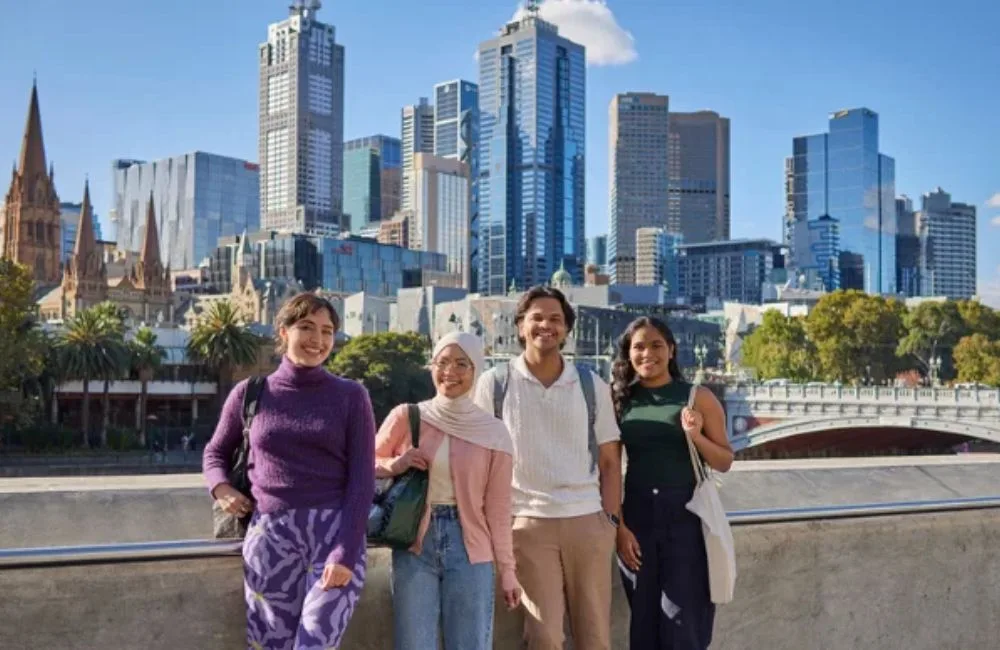
Students generally need to budget for accommodation, groceries, transport, study-related expenses and entertainment. Sharing accommodation and preparing meals at home are two common ways to manage living costs.
Choosing accommodation with convenient public transport connections can also help reduce the need for a car.
How to Save Money in Melbourne
There are several simple ways to reduce expenses while living in or visiting Melbourne:
Compare accommodation prices before booking.
Consider staying outside the CBD.
Cook meals at home when possible.
Use public transport instead of taxis or rideshares.
Look for free events and attractions.
Take advantage of markets and affordable food options.
Plan major activities and entertainment expenses in advance.
More from Melbourne Sphere

City guides
Best Suburbs Near RMIT for Students: Rent, Commute and Safety ?
The best suburb near RMIT depends on your priorities. Carlton and Melbourne CBD are convenient for campus access, North Melbourne offers a residential alternative close to the city, and Brunswick is worth exploring for shared housing and local culture. Fitzroy may suit students who prefer a more social neighbourhood.
By Melbourne Sphere editors · Editorial team

City guides
Melbourne Free Tram Zone Explained: Map and Rules (2026) ?
Melbourne's Free Tram Zone is a useful way to explore the CBD and Docklands without paying for every short tram trip. Once you understand the boundaries, you can use it to visit popular attractions, shop in the city centre and get around more easily.
By Melbourne Sphere editors · Editorial team

City guides
How Much Cash to Carry When Landing in Australia (Student Guide) ?
For most international students, A$300–A$500 in cash plus access to additional funds is a sensible way to prepare for landing in Australia. Arrange your first few nights of accommodation, check your bank cards before travelling and keep an emergency reserve available. Planning these details in advance can make your first days in Australia much less stressful.
By Melbourne Sphere editors · Editorial team

City guides
What Can You Bring to Australia? Customs and Biosecurity Rules ?
Australia has strict customs and biosecurity requirements to protect its people, agriculture and environment. Some packaged foods and personal medicines are allowed under specific conditions, while fresh produce, meat products, plants and other goods can be prohibited or restricted. Check the official rules before packing, declare items when required, and never assume that a sealed package or duty-free purchase is automatically permitted.
By Melbourne Sphere editors · Editorial team
Comments
No comments yet. Be the first to join the conversation.
Leave a comment
Every comment is read by a moderator before it appears. Your email address is never published; it is used only to contact you about this comment.