
How Much Does It Cost for International Students to Live in Melbourne?
Living in Melbourne as an international student requires careful planning, as expenses can vary depending on accommodation, location and lifestyle. Rent is usually one of the largest costs, with shared housing offering an option for students looking to manage their budget. Grocery shopping and preparing meals at home can help control food expenses, while Melbourne’s public transport network makes it easier to travel without owning a car. Students should also plan for utilities, phone bills.
Melbourne Sphere editors · Editorial team
3 min read

In this article
Moving to Melbourne as an international student is an exciting experience, but understanding your expected expenses before arriving can make the transition much easier. Melbourne offers a wide range of accommodation, food, transport and entertainment options, so there is no single amount that every student will spend.
Your budget can change significantly depending on where you live, whether you share accommodation, how often you eat out and how you spend your free time. Creating a realistic monthly budget can help you enjoy student life while keeping your finances under control.
Where You Live Can Make a Big Difference
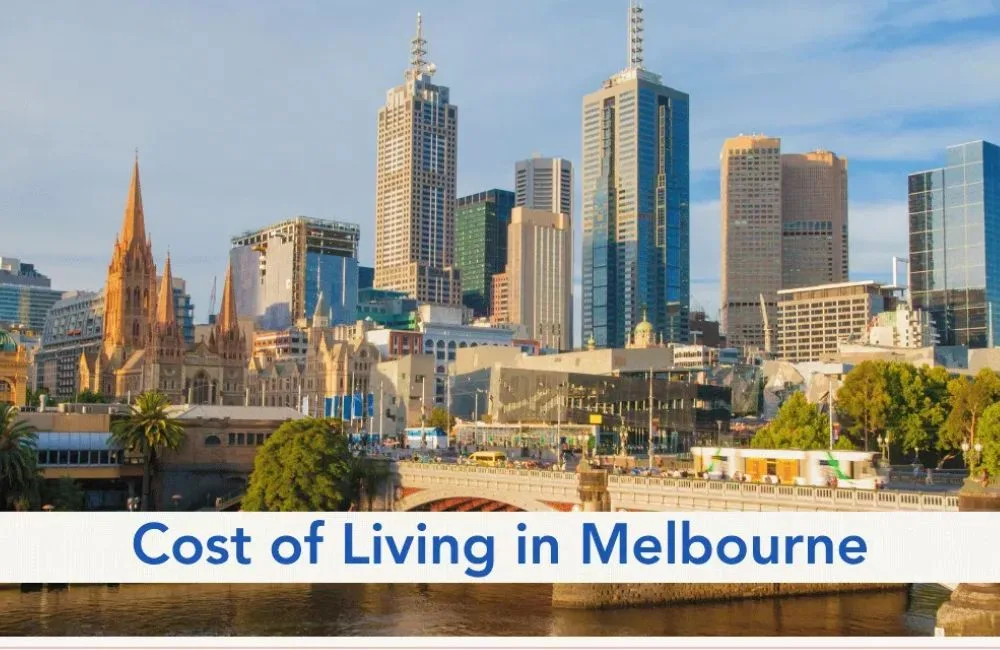
The suburb you choose can have a noticeable impact on your overall budget. Students living close to the city centre may pay more for convenience, while areas further from the CBD can offer different rental options.
Another popular choice among international students is sharing a house or apartment. Splitting rent and household bills with other students can make accommodation more manageable.
Before choosing a place, it is worth considering more than just the weekly rent. Check its distance from your university, access to public transport, nearby supermarkets and other everyday facilities.
Everyday Food Expenses

Food spending depends largely on your routine. Preparing breakfast and dinner at home can be considerably easier on a student budget than buying every meal outside.
Melbourne has supermarkets, local markets and affordable food outlets across many suburbs. Students can also plan their weekly meals and shop with a list to avoid unnecessary spending.
Occasional restaurant meals, takeaway food and Melbourne's famous café culture can be included in your budget as entertainment rather than becoming an unexpected expense.
Getting Around the City
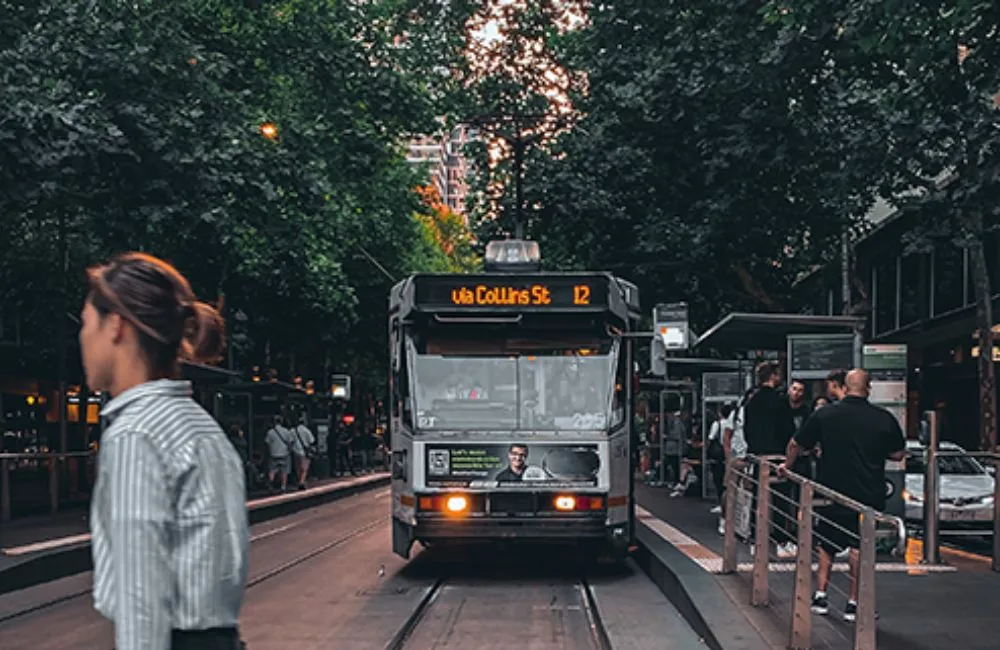
For many students, owning a car is not essential. Melbourne's public transport network provides connections between residential areas, universities and the CBD.
Your transport spending will depend on how frequently you travel and where you live. Choosing accommodation with convenient public transport connections can make your daily journey easier and potentially reduce the need for other forms of transportation.
Don't Forget the Smaller Expenses
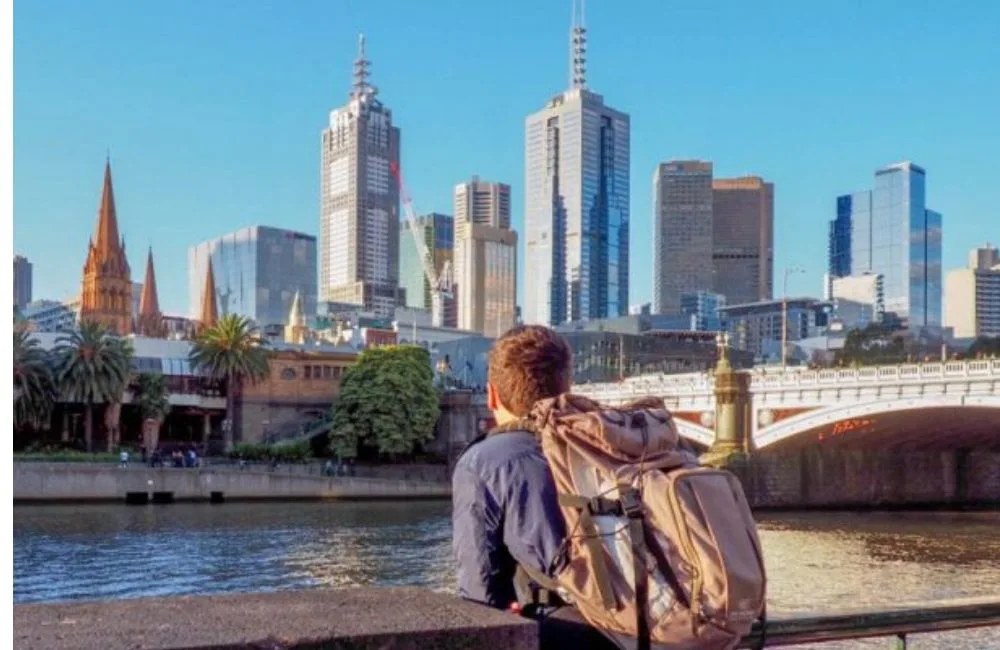
It is easy to focus on rent and food while forgetting about smaller costs. International students may also need money for phone plans, internet, household items, clothing, personal care and study-related purchases.
These individual expenses may seem small, but together they can make a noticeable difference to your monthly budget. Keeping track of them during your first few months can help you understand your actual spending habits.
Enjoying Melbourne on a Student Budget

Student life does not have to mean avoiding entertainment completely. Melbourne has plenty of opportunities to explore the city without spending heavily.
You can spend time in parks, explore neighbourhoods, visit markets, attend community events or discover the city's public spaces. Planning social activities in advance can also help you avoid spending more than expected.
Build an Emergency Fund
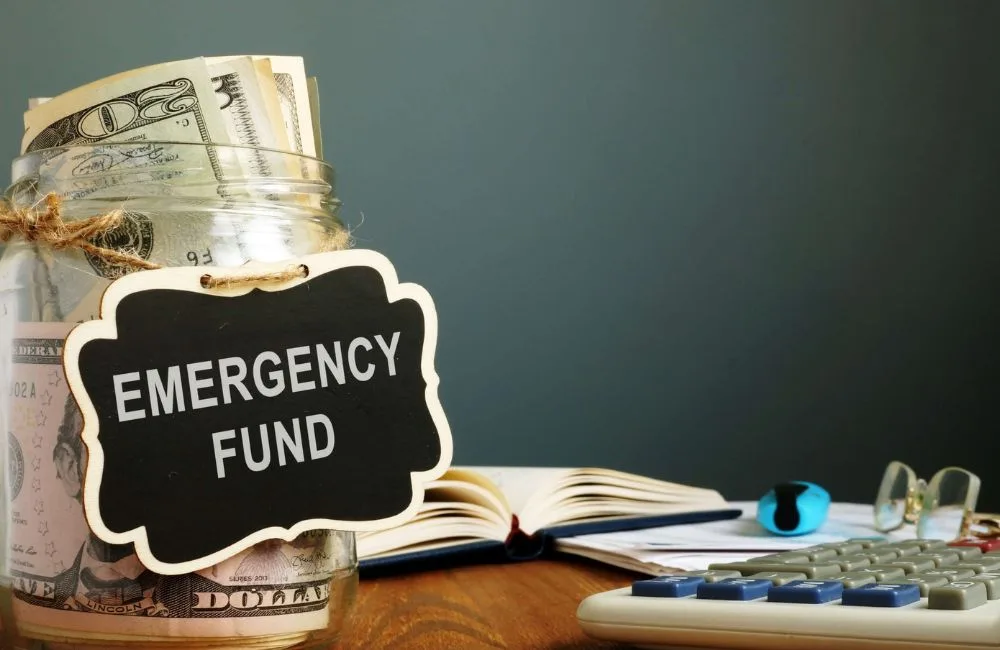
International students should also consider keeping some money aside for unexpected expenses. A medical cost, replacement phone, urgent travel or an unexpected accommodation expense can affect a tightly planned budget.
Even a small emergency reserve can provide extra financial flexibility during your studies.
What Should Your Monthly Budget Include?
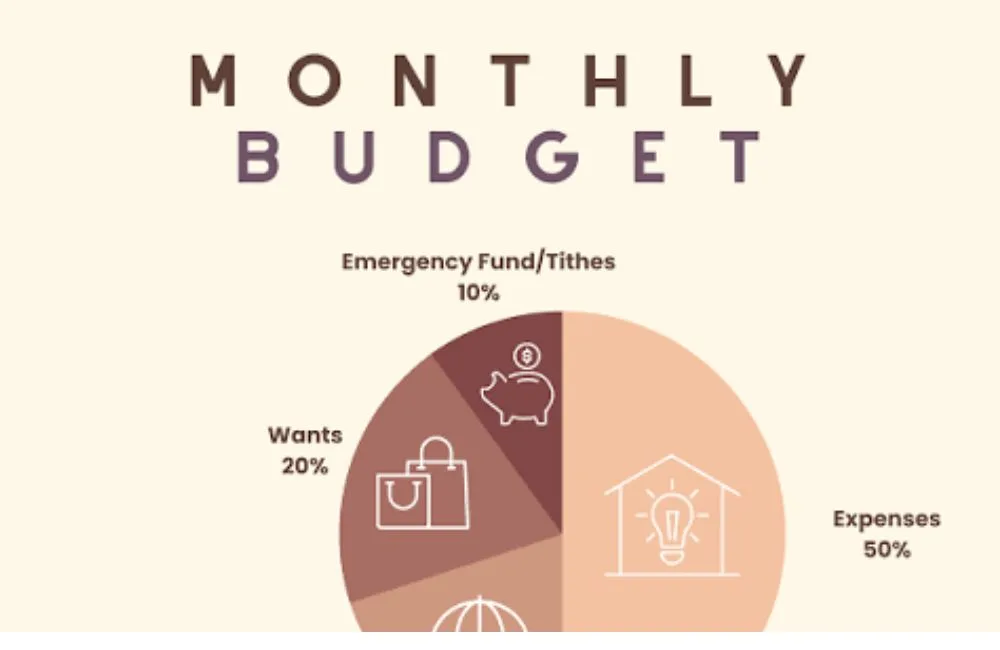
Instead of focusing on one fixed figure, international students can build their budget around several categories:
Rent and accommodation
Groceries and occasional dining out
Transportation
Electricity and other household bills
Mobile phone and internet
University and study-related expenses
Personal care and shopping
Social activities and entertainment
Emergency savings
The amount allocated to each category will depend on your individual circumstances.
Planning Before You Arrive
One of the easiest ways to avoid financial pressure is to prepare before moving to Melbourne. Research accommodation options, understand your expected university expenses and estimate your regular monthly costs.
It is also useful to keep some additional money available for your first few weeks, when you may need to purchase household items, pay accommodation-related costs or settle into your new surroundings.
More from Melbourne Sphere

City guides
Where Can I Watch the First Sunrise of the Year in Melbourne?
Watching the first sunrise of the year is a beautiful way to begin January in Melbourne. From the peaceful Royal Botanic Gardens and scenic Albert Park Lake to the iconic St Kilda Pier, Brighton Beach, Williamstown Waterfront, and Point Ormond, there are plenty of locations for enjoying the morning sky and taking memorable photographs. Arrive early, check the sunrise time and weather, and choose a location that matches the kind of view you want—whether it's a city skyline, lake, beach, pier, or
By Melbourne Sphere editors · Editorial team

City guides
Is Melbourne, Australia a Safe City to Visit?
Melbourne, Australia is generally considered a safe and welcoming destination for tourists, families, students and business travellers. The city offers excellent public transport, popular attractions, diverse neighbourhoods, restaurants, parks and cultural experiences. Like any major city, visitors should take basic precautions, especially at night and in crowded places. Keeping valuables secure, staying aware of your surroundings and using well-lit routes .
By Melbourne Sphere editors · Editorial team

City guides
What Are the Best Events for Couples in Melbourne?
Melbourne offers plenty of romantic events and experiences for couples, from Yarra River cruises and outdoor movies to art exhibitions, Christmas lights, festivals, live entertainment and scenic garden walks. Whether you're planning a first date, anniversary or weekend getaway, Melbourne has options for every season and budget. Couples can also enjoy romantic dinners, explore the city's famous laneways, visit seasonal markets or simply take an evening walk through the city.
By Melbourne Sphere editors · Editorial team

City guides
What Events Are Happening in Melbourne in October 2026?
October 2026 is a busy month for events in Melbourne, with major highlights including Melbourne Fringe Festival, Melbourne International Jazz Festival, Melbourne Fashion Week, the Melbourne Marathon Festival, Italian Festa, live concerts, sporting events, exhibitions and markets. With spring underway, visitors can combine these events with Melbourne's cafés, gardens, laneways and outdoor attractions.
By Melbourne Sphere editors · Editorial team
Comments
No comments yet. Be the first to join the conversation.
Leave a comment
Every comment is read by a moderator before it appears. Your email address is never published; it is used only to contact you about this comment.